OpenAI's AGI Progress Shifts AI Safety Focus to Proactive Threat Discovery
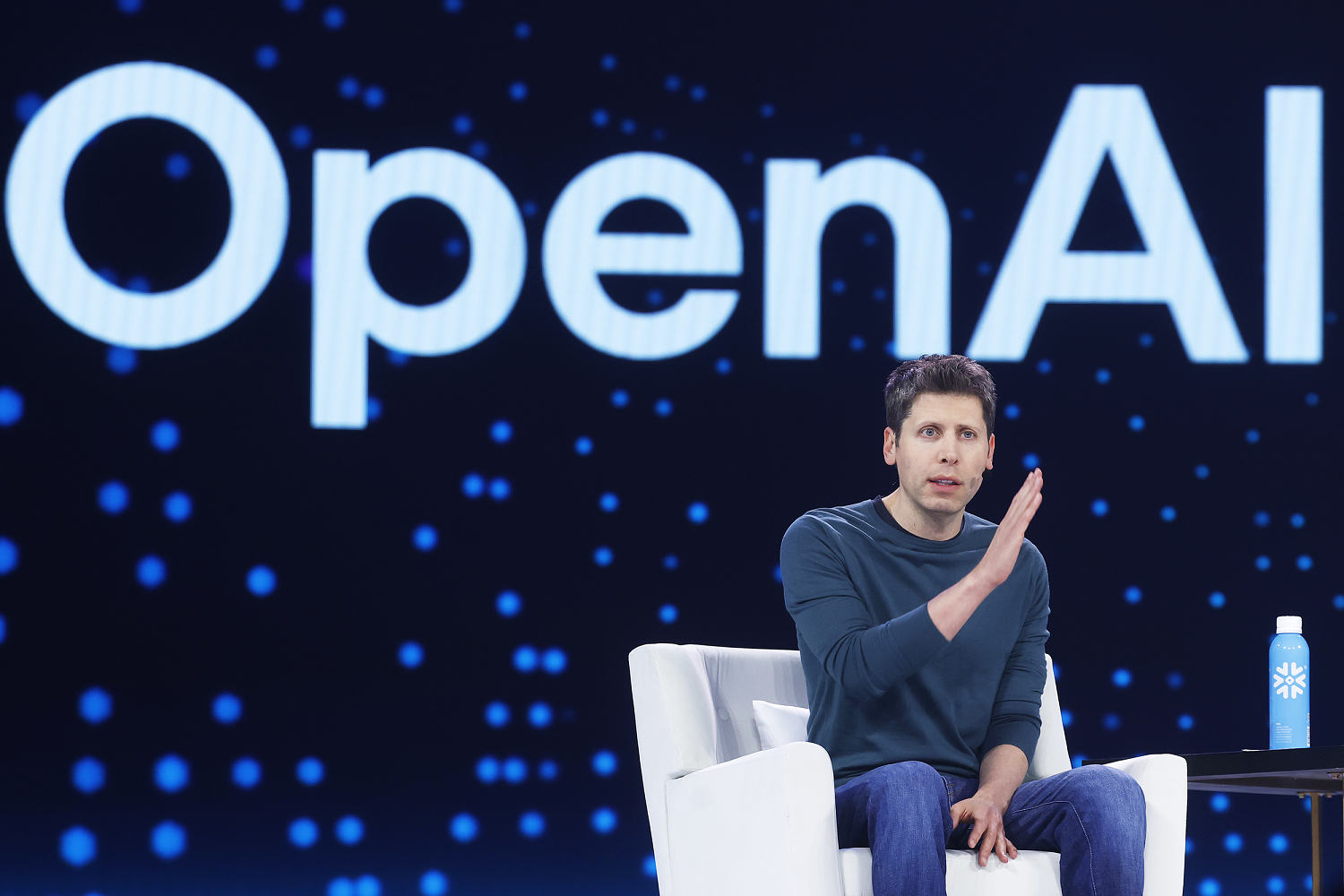
OpenAI's disclosure of a new model with capabilities that triggered internal safety protocols marks a significant escalation in the AI arms race, moving beyond mere performance metrics to actively probing the boundaries of artificial general intelligence (AGI). This announcement, occurring just as rivals like Google and Anthropic are emphasizing constitutional AI and safety guardrails, strategically reframes the conversation around proactive threat discovery rather than reactive alignment. By publicly acknowledging a model that "crosses a frontier" for cybersecurity, OpenAI is setting a new, arguably more dangerous, benchmark for state-of-the-art AI, implicitly challenging competitors to demonstrate equivalent foresight in managing dual-use capabilities. The new model fundamentally alters the calculus for enterprise and government stakeholders by presenting a technology with advanced offensive and defensive cybersecurity potential. Winners are likely to be sophisticated state actors and well-funded corporate security teams who can leverage these capabilities for threat modeling and automated defense, potentially creating a significant advantage. Losers are smaller organizations and public infrastructure operators who now face a dramatically expanded threat surface from AI-powered attacks. This forces a strategic recalculation for cybersecurity firms like Palo Alto Networks and CrowdStrike, whose human-in-the-loop threat analysis may be outpaced by automated AI agents. The critical variable going forward is the governance framework controlling access to such powerful "dual-use" models. Within 12 months, expect regulators in the EU and US to demand auditable logs of how these cybersecurity capabilities are firewalled, moving beyond voluntary commitments. The real test will be whether OpenAI can prove its internal safety mechanisms are robust enough to prevent leakage, as any failure would trigger a global regulatory crackdown far exceeding current proposals. This trajectory suggests the era of self-regulation for frontier AI models is rapidly drawing to a close, with national security agencies becoming the ultimate arbiters of deployment.