Musk v. OpenAI: AI's Founding Principles on Trial
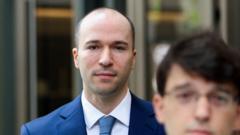
Greg Brockman's testimony is a flashpoint in a larger, more consequential battle for the future of AI development. The lawsuit, initiated by Elon Musk against OpenAI, weaponizes the philosophical divide between the company's non-profit origins and its hyper-commercialized reality. This legal challenge goes far beyond personal disputes, placing OpenAI's unique governance structure and its pivotal partnership with Microsoft under immense scrutiny. It magnifies the industry's central tension—between open, collaborative research and the closed, product-driven approach of entities like Google and Anthropic—turning a corporate fissure into a public spectacle. The trial's discovery process fundamentally alters the competitive landscape by forcing OpenAI's internal communications and strategic decision-making into the public record. In this scenario, Elon Musk gains a significant platform to publicly question the integrity of his primary competitor's foundational mission. Conversely, OpenAI faces a severe strategic distraction and the risk of exposing sensitive operational details that rivals can exploit. This creates an asymmetric advantage for competitors like Google and Meta, who can contrast their own corporate stability against OpenAI's ongoing governance drama, particularly when courting risk-averse enterprise clients who prize predictability. Looking forward, this lawsuit is poised to establish a critical legal precedent for hybrid non-profit/for-profit corporate structures in high-stakes industries. Within 12 months, regardless of the verdict, OpenAI's carefully crafted narrative of acting purely for humanity's benefit will be permanently damaged, complicating its talent acquisition and policy negotiations. The critical variable is whether the court probes the details of the Microsoft partnership, which could trigger a strategic recalculation from both parties. The real test will be if enterprise and government clients delay large-scale commitments, signaling a tangible loss of trust in OpenAI's governance.