OpenAI's Growth Slowdown: A Reality Check for Generative AI Backers
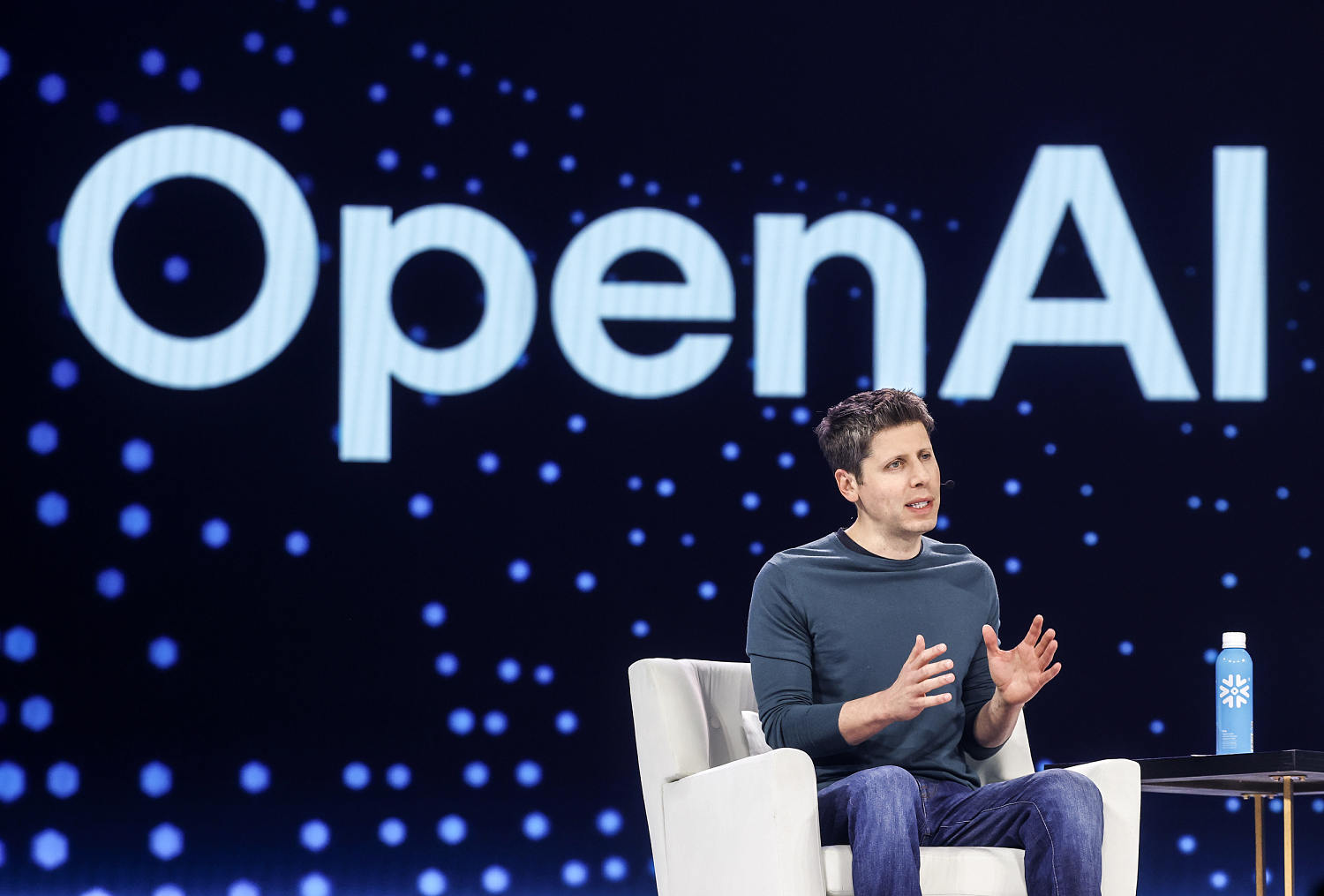
The market shudder following reports of OpenAI’s missed revenue and user targets is not about a single company’s performance; it’s the first significant fracture in the generative AI growth narrative that has captivated investors. This development directly challenges the “growth-at-all-costs” assumption fueling multi-trillion-dollar bets on AI, creating a critical reality check for the massive capital expenditures by backers like Microsoft. Coming just as rivals like Anthropic and Google are accelerating their enterprise push, this stumble questions the core hypothesis that foundational model dominance automatically translates into scalable revenue, forcing a market-wide reassessment. The shortfall exposes a fundamental vulnerability in the freemium-to-enterprise business model for large language models. The gap between massive public adoption of free tools and the conversion to high-value corporate contracts is proving wider than anticipated, suggesting enterprises are still in a prolonged, cost-sensitive evaluation phase. This dynamic creates losers beyond OpenAI, pressuring highly valued model providers like Cohere and increasing due diligence from VCs. The primary winners are enterprise procurement teams, who now have significant leverage to demand clearer ROI and lower pricing, fundamentally altering the supplier-customer power balance. This trajectory suggests a painful, but necessary, market correction is imminent. Over the next 12-18 months, expect a capital flight from pure foundational model plays toward application-layer companies that can demonstrate immediate, quantifiable business value. The critical indicator to watch will be the rate of enterprise conversion from free-tier or pilot programs to full-scale paid deployments. OpenAI must now pivot aggressively toward enterprise solutions, but the real test will be whether it can build a sustainable revenue model before the market’s patience with speculative AI investment runs out.