OpenAI Notifies Parents on Teen Violations, Eyes Ed-Tech Trust
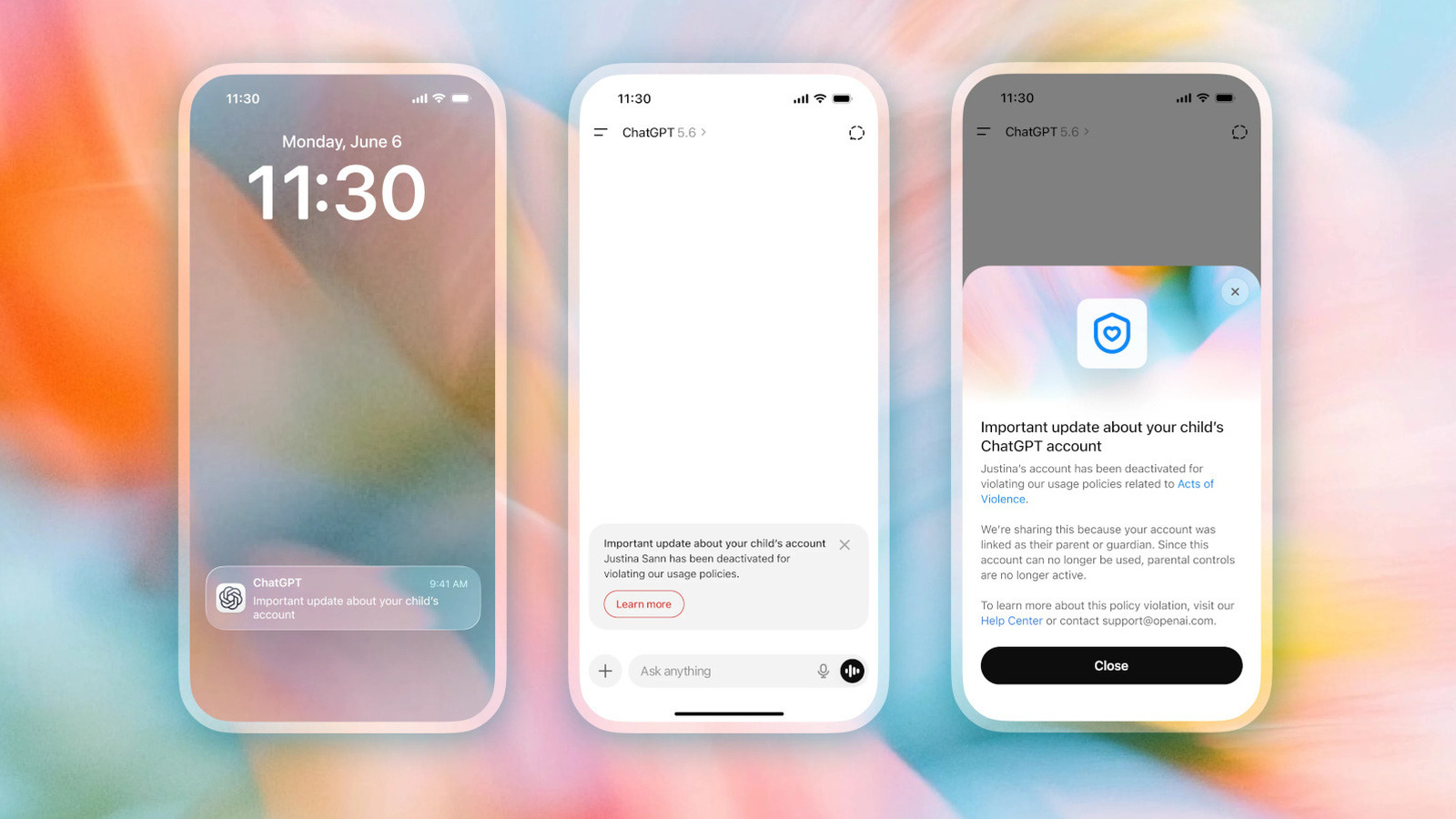
OpenAI's decision to notify parents about teen policy violations is a calculated strategic move far beyond simple user safety. Framed against the backdrop of Meta’s ongoing struggles with teen well-being on Instagram, OpenAI is proactively building a trust and safety narrative to preempt regulatory scrutiny and unlock the lucrative K-12 education market. This feature is not just a tool, but a signal to school boards and parents that ChatGPT is evolving into an institutionally viable platform. By creating an auditable safety layer now, OpenAI aims to set the de facto standard for age-appropriate AI, making its platform a more palatable choice for widespread educational adoption than less-controlled rivals. This system fundamentally alters the AI risk equation for families and institutions by creating a direct channel for parental oversight. The primary winners are not just parents, but OpenAI itself, which gains a powerful trust-building tool that competitively disadvantages rivals like Google’s Gemini and Anthropic’s Claude in procurement battles. These competitors are now forced to either develop a similar parental-control infrastructure or risk being perceived as less safe for the youth market. A single school district contract choosing an AI based on these verifiable guardrails could create a significant ripple effect, forcing a strategic recalculation across the industry on the importance of family-centric features. The trajectory this sets is toward increasingly granular, identity-based AI controls, moving far beyond a simple notification system. Within 12 months, expect this to evolve into tiered permissions and content filters required by educational software contracts. The critical variable will be the system's ability to accurately distinguish between malicious use and legitimate, if sensitive, creative or academic exploration. The real test is not whether it can flag violations, but whether it can do so without creating a chilling effect on learning. This move indicates OpenAI is playing a long game, establishing the liability framework to become the embedded AI utility for the next generation.