Palantir's Military AI Becomes Doctrine for US Forces
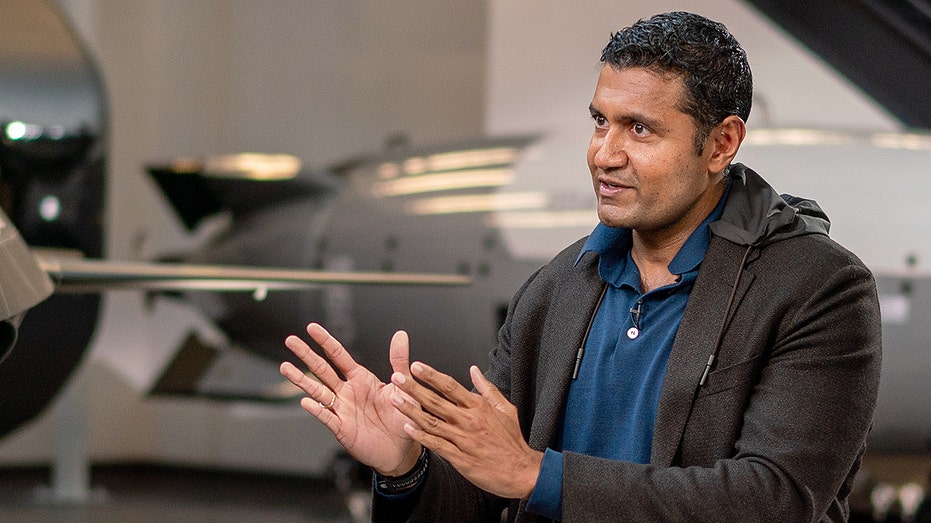
Palantir CTO Shyam Sankar’s framing of military AI as an "Iron Man suit" signals a pivotal shift from experimental projects to operational doctrine for U.S. forces. This move institutionalizes AI-driven decision support for high-speed strike operations, directly addressing the Pentagon’s urgent push for Joint All-Domain Command and Control (JADC2). As the DoD’s Replicator Initiative aims to deploy thousands of autonomous systems, Palantir is positioning its software as the essential human-centric command layer, ensuring its platform becomes indispensable infrastructure amid a rapidly escalating AI arms race with near-peer adversaries like China. The system fundamentally alters the kill chain by fusing disparate intelligence streams—from satellites to tactical sensors—into a single pane of glass where AI suggests optimal targets and engagement plans in seconds. This creates a significant time-based asymmetric advantage. The primary winner is Palantir, cementing itself as the core operating system for Western military intelligence. The losers are traditional defense hardware contractors—like Northrop Grumman and Raytheon—whose platforms risk becoming commoditized endpoints in a software-defined network, forcing them to either partner deeply or build a competing ecosystem from scratch. This trajectory suggests future conflicts will be won based on "decision-centric warfare"—the ability to out-think and out-pace an opponent. In the next 12-18 months, expect to see Palantir’s platform become the standard for mission planning within key U.S. combatant commands, particularly INDOPACOM. The critical long-term variable is not the AI, but the human element; the real test will be whether the "human-in-the-loop" model can avoid becoming a cognitive bottleneck under the immense pressure of a near-peer conflict, a challenge that will require a total overhaul of military training.