Panel-Level Packaging Scales AI Chip Output 10x, Cuts NVIDIA Costs
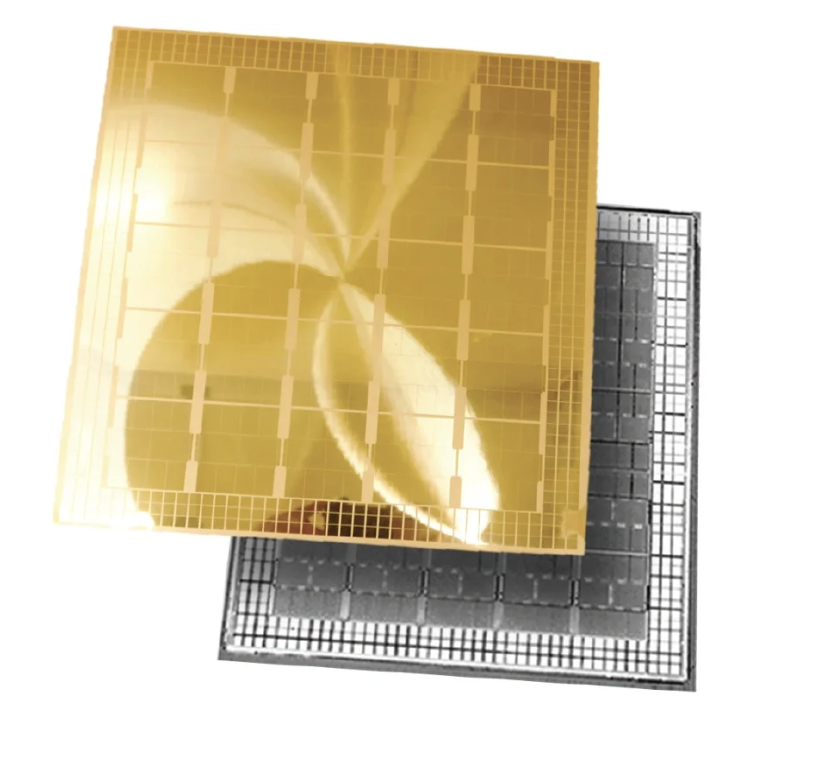
The standardization of automated 310mm panel-level packaging (PLP) marks a pivotal shift in the semiconductor backend, directly addressing the production bottlenecks and soaring costs of AI hardware. As demand for complex, multi-die systems from architects like NVIDIA and AMD outstrips the capacity of traditional wafer-based methods like TSMC’s CoWoS, PLP emerges as a critical enabler for higher throughput and lower cost. This isn’t merely an incremental process improvement; it’s a fundamental change in manufacturing logic that could re-architect the supply chain for next-generation AI accelerators, mirroring the impact that TSMC’s own FinFET transition had on Intel’s market position nearly a decade ago. The strategic shift to large rectangular panels from 300mm round wafers fundamentally alters production economics, potentially yielding 50-80% more packaged dies per substrate and dramatically reducing cycle times. Winners in this transition will be the OSATs (Outsourced Assembly and Test) and foundries like Samsung that can master the significant technical challenges of panel warpage and material handling at scale. This creates an asymmetric advantage against firms heavily invested in wafer-level infrastructure, forcing a strategic recalculation for players like TSMC and UMC who now face the commoditization of a previously high-margin, specialized service. The trajectory of PLP adoption points toward a significant rebalancing of the AI hardware ecosystem over the next three years. While initial ramp-up will focus on proving yield and reliability (12-18 months), the long-term implication is the decoupling of chiplet fabrication from packaging. This allows AI innovators to source silicon from diverse foundries while consolidating assembly with a PLP leader. The critical variable is no longer just transistor performance but packaging efficiency, suggesting the company that wins the panel-level race could become the new kingmaker for the entire AI hardware market, challenging today’s incumbent-favoring dynamics.