D.C. Eyes Kids' AI Chatbot Ban: Big Tech Moats Deepen?
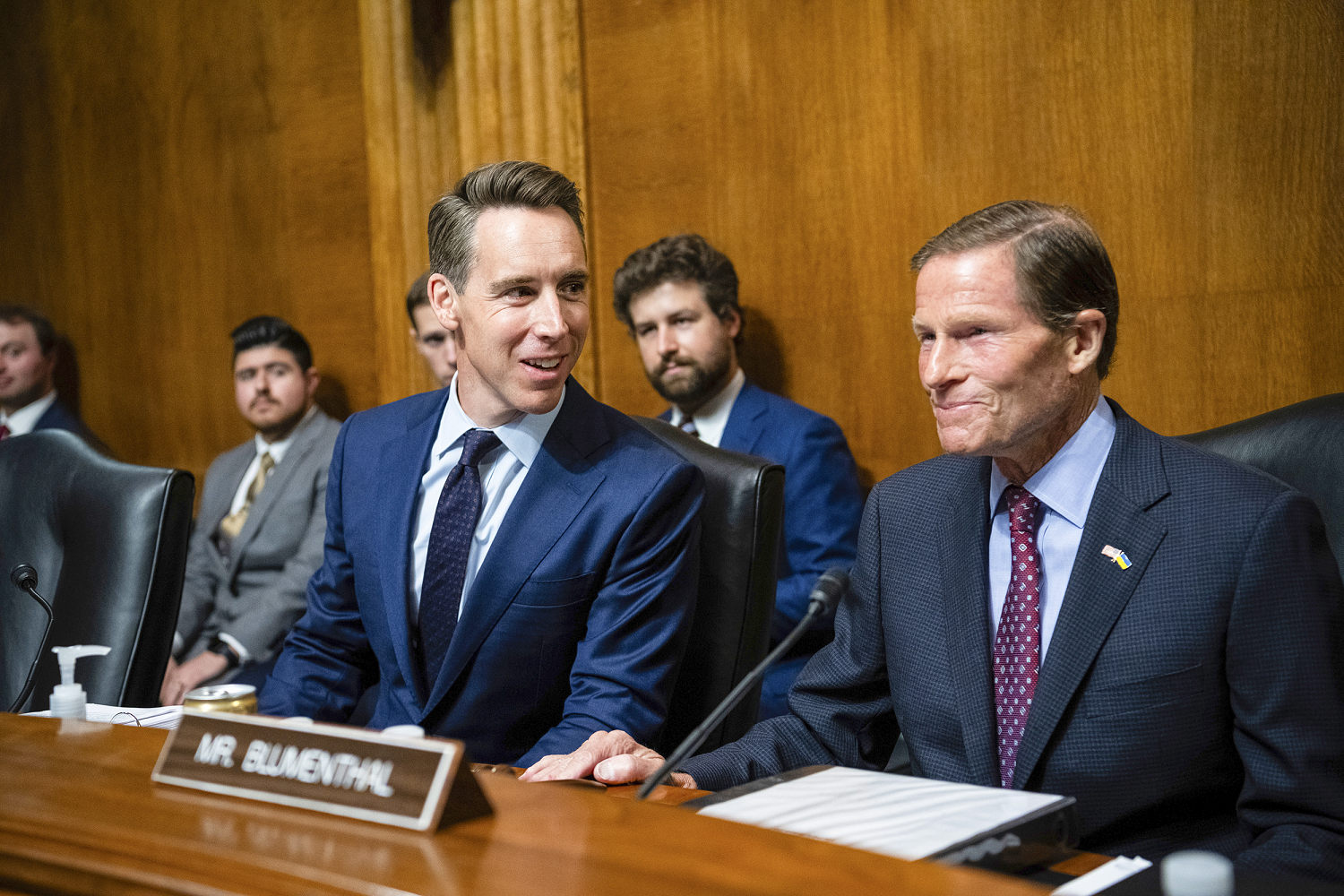
Washington's building momentum to ban AI chatbots for minors signals a fundamental challenge to the user-acquisition models fueling the current AI boom. This isn't merely a safety precaution; it's a direct threat to the "grow-first, verify-later" strategy employed by OpenAI, Google, and others, mirroring the broader regulatory tightening seen with GDPR. The move shifts the conversation from abstract harms to concrete legal frameworks, potentially upending the open-ended, data-hoovering nature of consumer-facing foundation models and forcing a strategic recalculation for any company targeting a broad demographic that includes users under 18. Such a ban fundamentally alters the competitive landscape by transforming age verification from a feature into a costly, mandatory gateway. This creates an immediate, formidable compliance moat that benefits incumbents like Microsoft and Google, who can leverage existing identity systems and deep pockets to absorb the costs. The primary losers are venture-backed startups and open-source platforms, who lack the infrastructure for robust, legally-defensible age-gating. The legislation doesn't just create a rule; it imposes significant operational and financial burdens that could make the consumer AI market prohibitively expensive for new entrants to compete in. The critical long-term consequence will be the bifurcation of the AI market into a highly-regulated consumer segment and a less-restricted enterprise space. Over the next 12-18 months, expect aggressive lobbying to narrowly define "AI chatbot" to protect lucrative areas like in-game characters or educational tools. The real test will be whether this legislation becomes a blueprint for regulating all algorithmic content for minors, moving beyond data privacy (COPPA) to directly governing algorithmic interaction and influence. This trajectory suggests a future where access to powerful AI is determined by corporate compliance budgets.