Sanders-Casar Bill Pushes AI Safety from Labs to Law
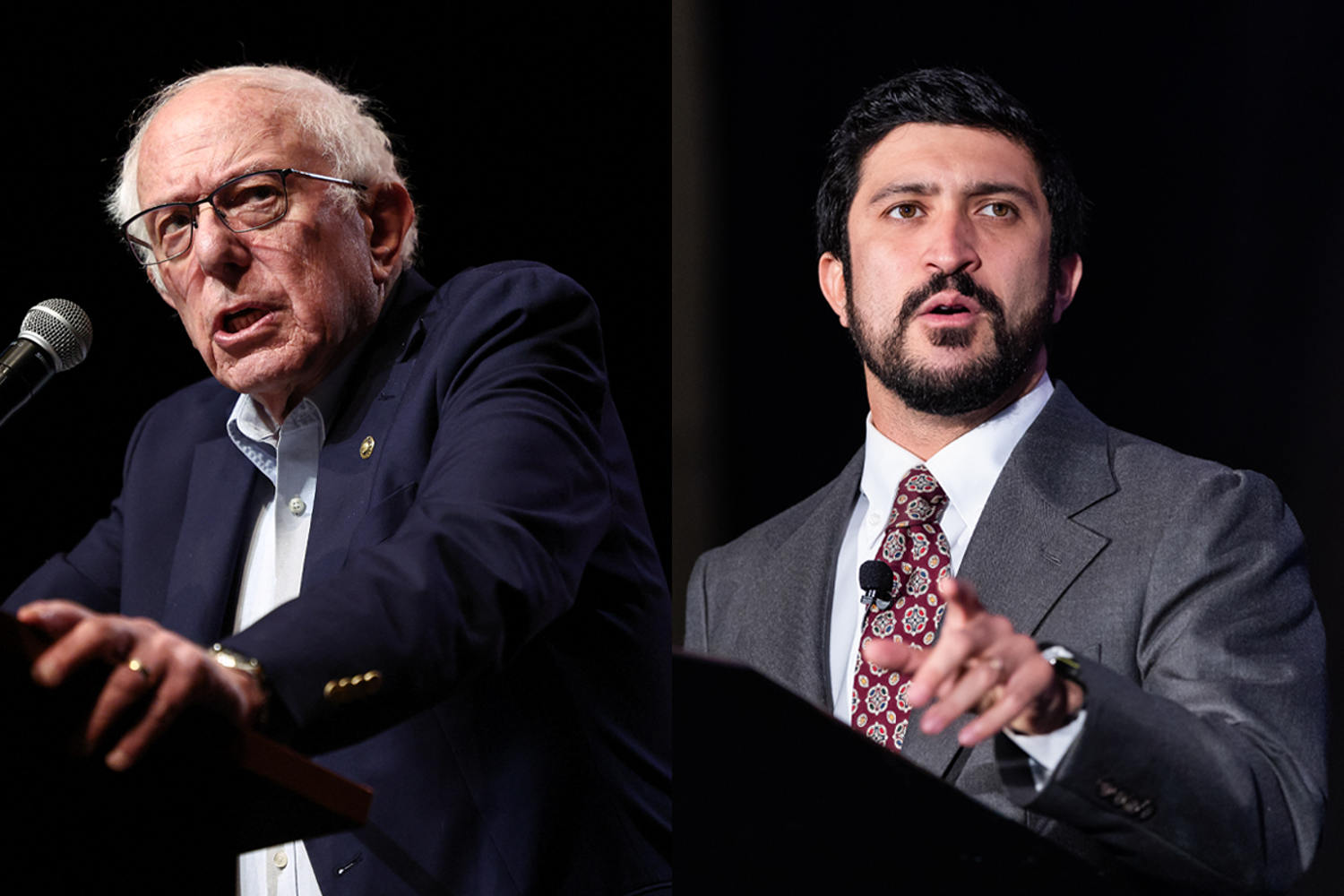
Sen. Sanders and Rep. Casar have introduced legislation proposing a ban on AI systems deemed "superintelligent," enforced by severe 20-year jail penalties and the creation of a Cabinet-level AI Secretary. This move escalates the AI safety debate from academic discourse to high-stakes legislative action, directly challenging the tech industry's self-governance model. It strategically frames the issue around catastrophic risk, forcing a national conversation that goes far beyond the voluntary commitments secured by the Biden administration from firms like OpenAI and Google, and mirrors the EU’s more aggressive regulatory posture with its AI Act. The bill’s mechanics create a potent combination of deterrent and centralized control, fundamentally altering the risk calculus for leading AI labs and their investors. Winners would be proponents of stringent government oversight and potentially smaller, open-source projects that fall below the "superintelligence" threshold. Losers are the frontier model developers—namely OpenAI, Google DeepMind, and Anthropic—who now face the specter of criminal liability and a prescriptive, innovation-stifling regulatory environment. This forces a strategic recalculation for Big Tech, which has primarily relied on lobbying and voluntary safety measures to shape policy. The proposal’s true aim is likely not immediate passage but shifting the Overton window of AI regulation towards direct federal intervention. The bill’s extreme position creates negotiating leverage, making previously unthinkable regulations now seem moderate. Over the next 12 months, the critical variable will be whether mainstream Democrats co-opt this framing, pressuring the White House to abandon its partnership model. The real test will be if capital allocation for frontier AI models slows, not because of the bill itself, but due to the regulatory uncertainty it successfully injects into the market.