Skild AI's S1 Model Rethinks Robot Learning From Single Demos
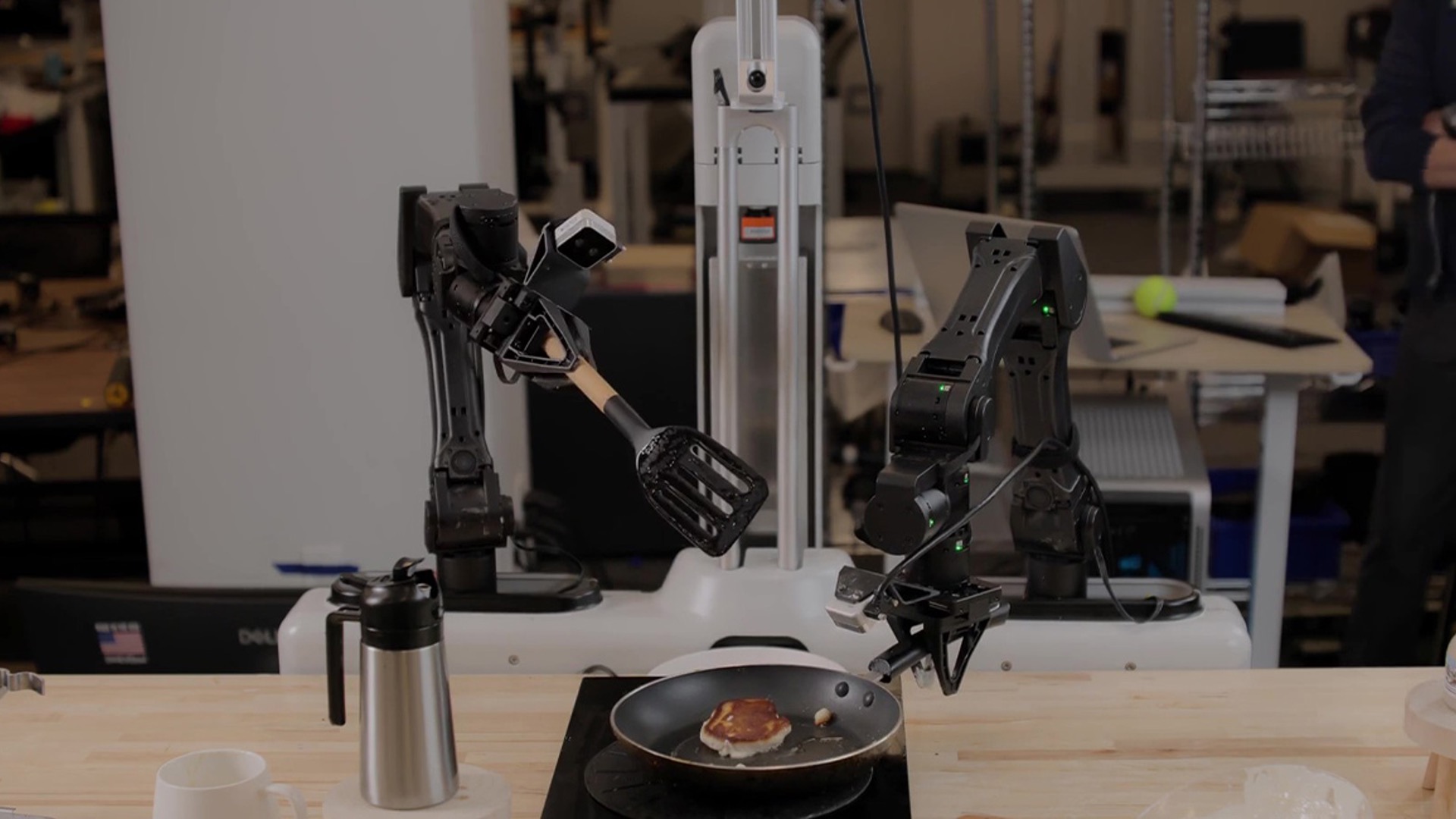
Skild AI's launch of its S1 robot foundation model, built on NVIDIA's physical AI stack, marks a pivotal shift in industrial automation, moving beyond rigid pre-programmed robotics. The S1's ability to learn complex, long-horizon tasks from a single video demonstration directly challenges the sector's reliance on extensive, costly reprogramming for every new process. This development intensifies the platform battle in robotics, pitting NVIDIA's more open, developer-focused ecosystem against the integrated hardware-software stacks of incumbents, and accelerates the move toward generally capable AI agents in physical environments. The S1 model fundamentally alters the operational calculus for factory and warehouse automation. By enabling robots to adapt to new tasks without specialized code, it creates an asymmetric advantage for operators who can now reconfigure lines with unprecedented speed. This primarily benefits small to mid-sized manufacturers who lack dedicated robotics teams, while threatening the business models of system integrators and consultants who bill for reprogramming services. For rivals like Boston Dynamics and FANUC, this forces a strategic recalculation away from hardware-centric value propositions toward software and AI-driven adaptability. The critical variable is no longer the robot's physical specifications but the intelligence driving it, commoditizing the hardware itself. Over the next 12-24 months, the real test will be the S1's performance with non-standard, highly variable tasks and its robustness against edge-case failures. Success will accelerate a market-wide consolidation around a few dominant