State-Backed AI Weaponization Escalates Cyber Warfare Threat
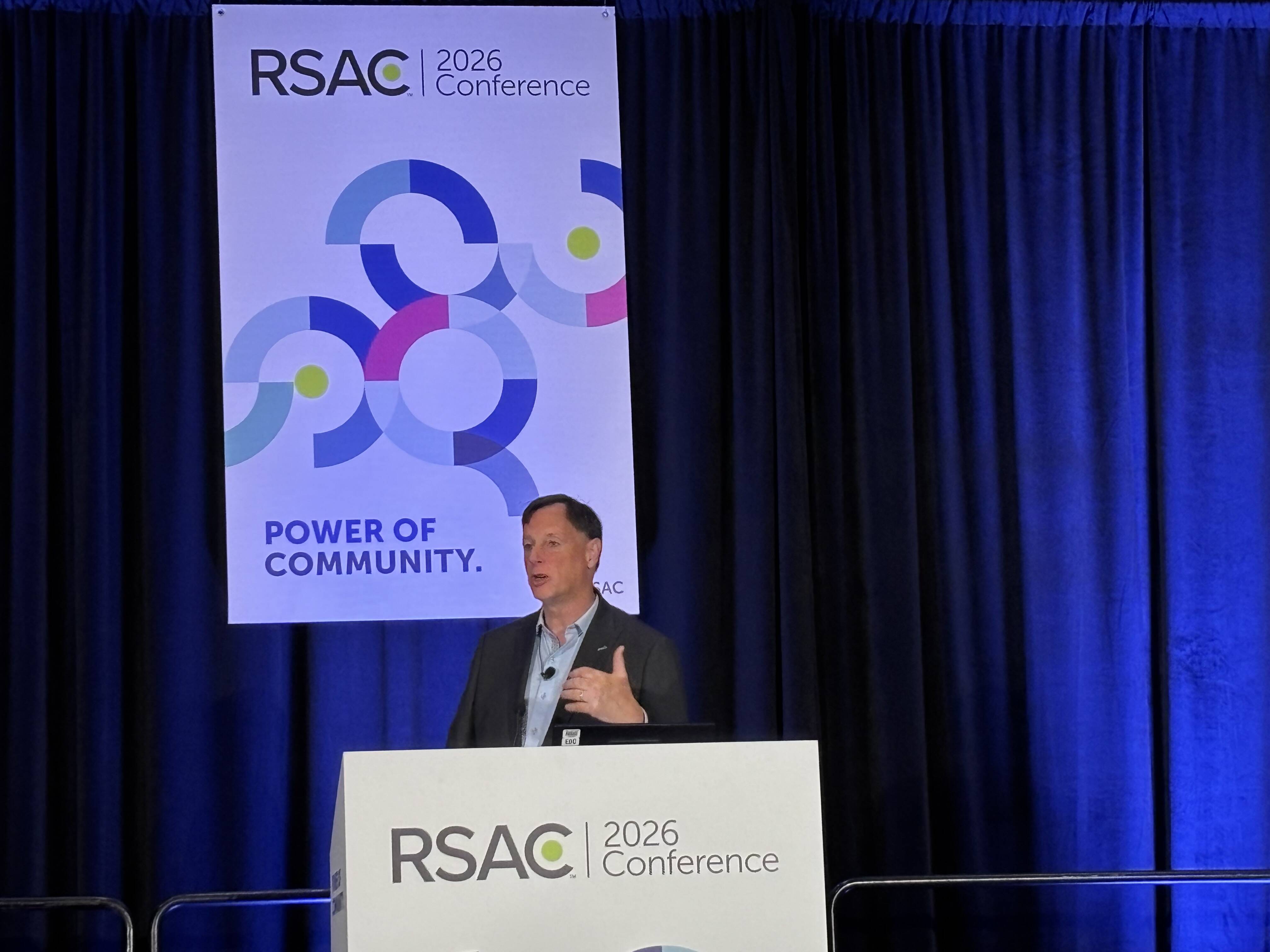
The recent analysis of Chinese state actors using Anthropic's Claude for automated cyberattacks, highlighted by former NSA director Rob Joyce, marks a pivotal inflection point for the security industry. This isn't merely an evolution of existing attack vectors; it represents the dawn of "AI-native" offensive operations where autonomous agents can discover and exploit vulnerabilities at machine speed. While the industry has long discussed AI in cybersecurity, this real-world weaponization by a nation-state shifts the threat from theoretical to immediate, creating an urgent mandate for security frameworks to evolve beyond human-centric detection and response, putting pressure on all major AI labs. This development fundamentally alters the attacker-defender balance, granting a significant asymmetric advantage to offensive actors. AI agents can relentlessly execute novel, creative attacks at a scale impossible for human security operations centers (SOCs) to manage, exposing the inherent vulnerability of legacy systems. The immediate losers are companies reliant on signature-based detection and static firewall rules. The winners are state aggressors and a new generation of offensive security firms who can harness these tools. This forces a strategic recalculation for every CISO, shifting focus from perimeter defense to a posture of assumed breach and continuous, automated response. The trajectory this sets is irreversible and will unfold rapidly. Within 12 months, expect a new wave of regulation targeting AI model security and liability, placing the onus on developers like Anthropic, Google, and OpenAI to prevent misuse. The critical variable is whether defensive AI—systems designed to autonomously patch, deceive, and neutralize threats—can outpace the innovation in offensive AI. This incident effectively ends the era of human-led cyber defense; the industry's only viable path forward is embracing autonomous, machine-speed security as a baseline requirement, not a luxury.