Tribeca Debuts AI Film, Shifting Creative Industry Dynamics
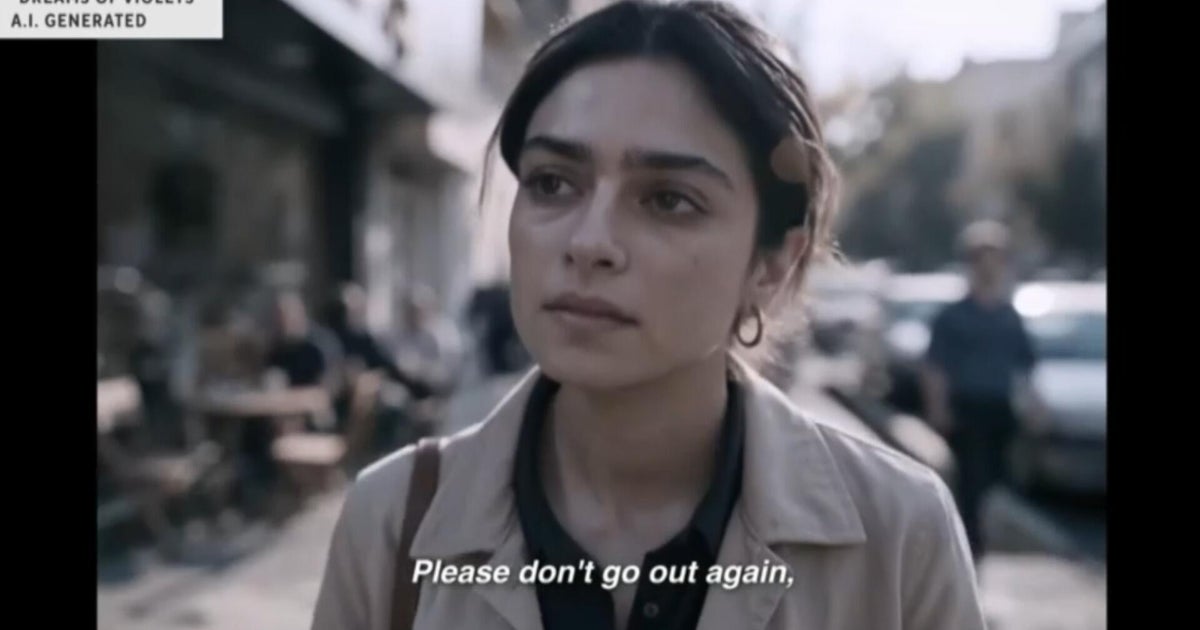
The debut of "Dreams of Violets," the first fully AI-generated film at the Tribeca Film Festival, signifies a crucial inflection point where generative video transitions from a technological novelty to a culturally validated medium. This event immediately reframes the AI content debate, moving beyond VFX augmentation seen in studio projects to full-stack AI production, legitimizing it for prestige filmmaking. Its premiere at a top-tier festival provides the institutional credibility that tools like Runway and Sora have lacked, suggesting the industry is on the cusp of a major production paradigm shift that will challenge established Hollywood hierarchies and economics. The film's creation exposes a new production model where the director acts as a "prompt orchestrator," fundamentally altering the creative-economic landscape. Winners include independent creators like Ash Koosha, who can now bypass prohibitive capital and labor costs, and the AI toolmakers (e.g., Pika Labs, Midjourney) whose platforms are validated. The losers are the craft guilds—cinematographers, editors, and location scouts—whose roles are directly threatened. This forces a strategic recalculation for mid-tier studios and production houses that can now be outmaneuvered by hyper-nimble, low-budget creative teams leveraging generative pipelines. Looking forward, this premiere will catalyze a flood of AI-native content, making discoverability and narrative quality—not technical execution—the primary differentiators within 12 months. This shift will force talent agencies and guilds like SAG-AFTRA and the DGA to confront existential questions about what constitutes creative labor and who qualifies for membership. The critical variable is no longer if AI can produce a film, but if it can produce one with enduring emotional resonance. This trajectory suggests that within three years, AI-generated films will be competing for major awards, permanently restructuring the industry.