US AI Policy Shifts Power to Tech Giants, Not Regulators
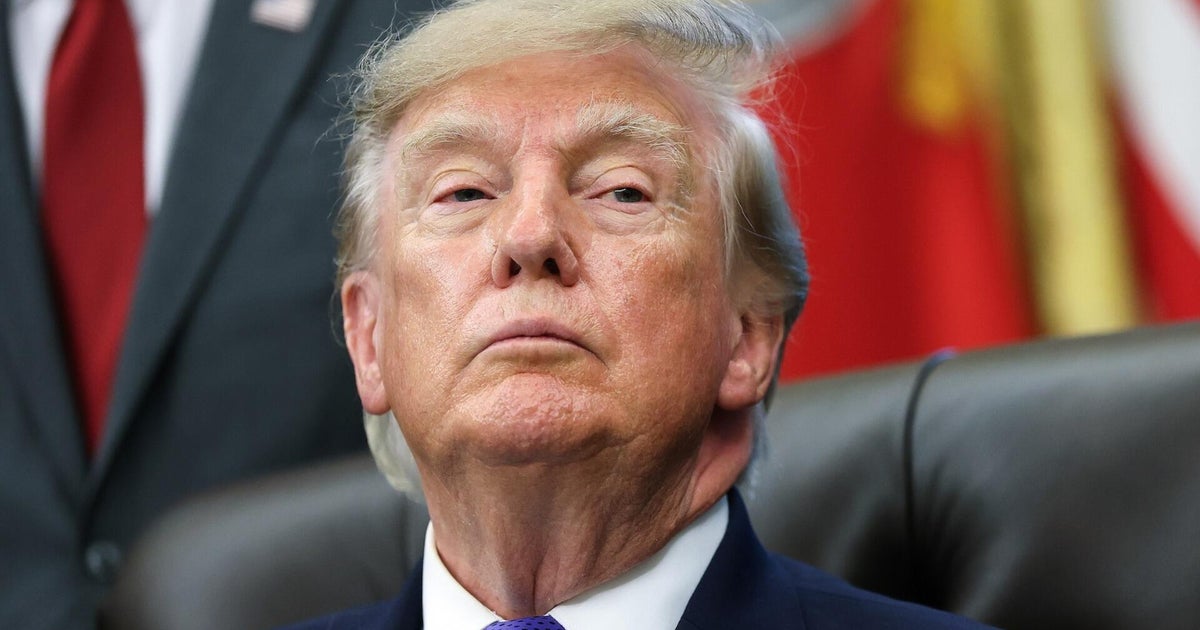
The Trump administration’s decision on Tuesday to endorse industry self-regulation for artificial intelligence marks a pivotal strategic inflection point for the U.S. tech sector. Rather than imposing governmental guardrails, this hands-off approach effectively grants incumbent leaders like Google, Microsoft, and Meta quasi-regulatory power, allowing them to set the de facto rules of engagement for AI development and safety. This move stands in stark contrast to the EU’s prescriptive AI Act and China’s state-directed AI strategy, positioning the U.S. as a free-market proving ground and accelerating the global bifurcation of AI governance norms. The immediate winners are the large, vertically integrated tech platforms whose existing scale in compute, data, and distribution channels now becomes a formidable moat-building tool. By shaping safety standards and best practices, they can steer the industry toward frameworks that favor their own capital-intensive models, creating significant barriers to entry for smaller, resource-constrained startups. This fundamentally alters the competitive landscape, forcing a strategic recalculation for venture-backed innovators who now face not just technical hurdles but a governance framework engineered by their largest competitors, a disadvantage that could stifle disruptive innovation. Looking forward, this policy creates a high-stakes race where market dominance could be achieved before any meaningful federal legislation is enacted. The critical variable is whether the self-appointed industry leaders can maintain public and governmental trust while aggressively pursuing commercial advantages. Watch for the formation of industry-led safety consortiums within the next 6-9 months, which will serve as the primary mechanism for codifying these incumbent-friendly rules. The real test will be if these bodies can prevent a major AI-driven public incident before a new administration reconsiders federal intervention.