US Industrial Policy Shifts, Prioritizing AI Chip Dominance
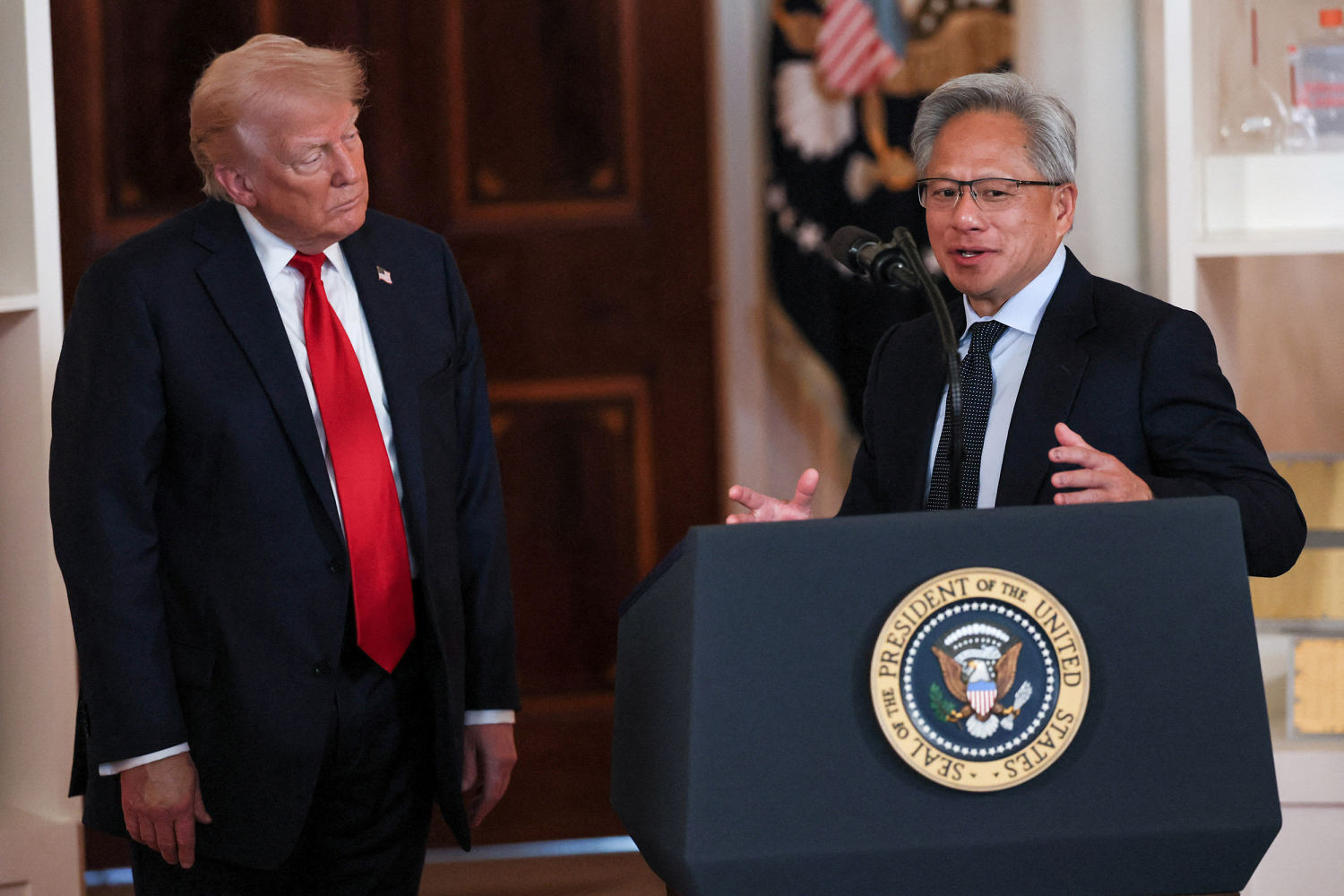
Former President Trump's direct call to Nvidia CEO Jensen Huang on June 6, 2024, signals a significant shift in the Republican party's approach to AI, elevating semiconductor leadership to a core component of national economic and security strategy. This engagement, publicly broadcast during an industry summit, reframes the AI hardware race from a purely commercial contest into a geopolitical imperative, mirroring the recent bipartisan consensus solidified by the CHIPS Act. It suggests a future where industrial policy, regardless of who is in power, will aggressively favor domestic semiconductor titans to counter China's technological ambitions and secure America’s AI production stack. The primary winner is Nvidia, which gains immense political capital and de-risks its market dominance against future regulatory headwinds, effectively securing its position as a protected national champion. This forces a strategic recalculation for competitors like Intel and AMD, who now face a political landscape that may favor the incumbent market leader, potentially complicating their efforts to secure similar government support for their own foundry and chiplet strategies. The move exposes the vulnerability of relying solely on technical roadmaps when political influence can reshape market dynamics, tilting the scales and impacting capital flows toward politically-endorsed players. Looking forward, the critical variable is how this high-level political endorsement translates into tangible policy. Within 12 months, expect proposals for further tax incentives or strategic federal contracts aimed at onshoring more of Nvidia's supply chain and advanced packaging operations. Over the next three years, this trajectory suggests a potential for 'AI protectionism,' where U.S. technology access becomes a more explicit foreign policy tool. The real test will be whether these policies accelerate innovation or merely entrench incumbents, stifling the very competition needed for long-term technological supremacy against global rivals.