Uber's London AV Deployment Escalates Urban Mobility Battle
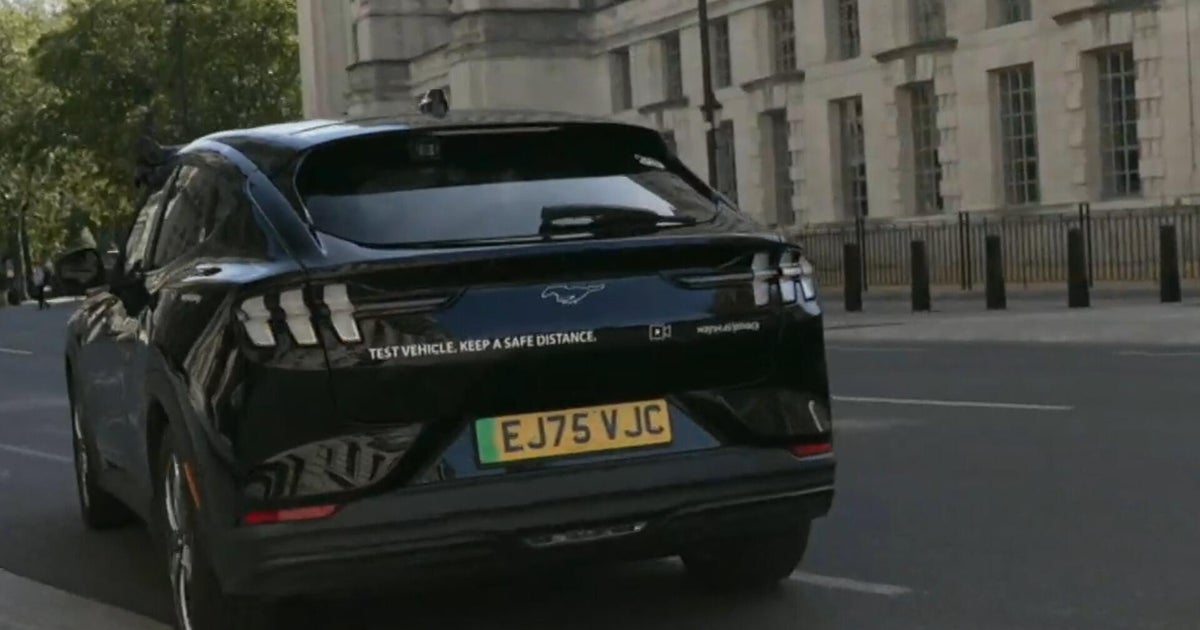
Uber's deployment of autonomous, AI-powered vehicles in London, tested by a CBS News reporter, signals a calculated escalation in the urban mobility wars. This move is not merely a technical trial but a strategic push to normalize autonomous vehicle operations in one of the world's most complex and stringently regulated transport markets. Coming just months after Waymo expanded its San Francisco service area, Uber’s London initiative directly challenges the city's powerful taxi unions and pressures Transport for London (TfL) to accelerate its AV regulatory framework, shifting the battleground from Silicon Valley to global megacities. The trial fundamentally alters the competitive landscape by forcing a strategic recalculation for local rivals like Bolt and Gett. While the immediate fleet is small, the operational data gathered on London's unique road layouts and traffic patterns provides Uber with an invaluable, asymmetric advantage. For every mile driven, Uber's AI refines its ability to navigate narrow streets and complex roundabouts, creating a data moat that competitors cannot easily replicate. This exposes the vulnerability of ride-hailing platforms whose models are based purely on driver supply, a variable Uber is strategically engineering to reduce. The critical variable now is Transport for London's regulatory response. A permissive stance could trigger a land-grab within 12 months, with rivals scrambling for AV partners, while a restrictive approach could stall deployment for years. The real test will be whether Uber can use this trial to prove a statistically significant safety improvement over human drivers, the key metric TfL will use for licensing. This trajectory suggests a future where AV-readiness, not driver network size, becomes the primary determinant of market share in urban ride-hailing.