Voter Mandate on AI Regulation Shifts Washington's Stance
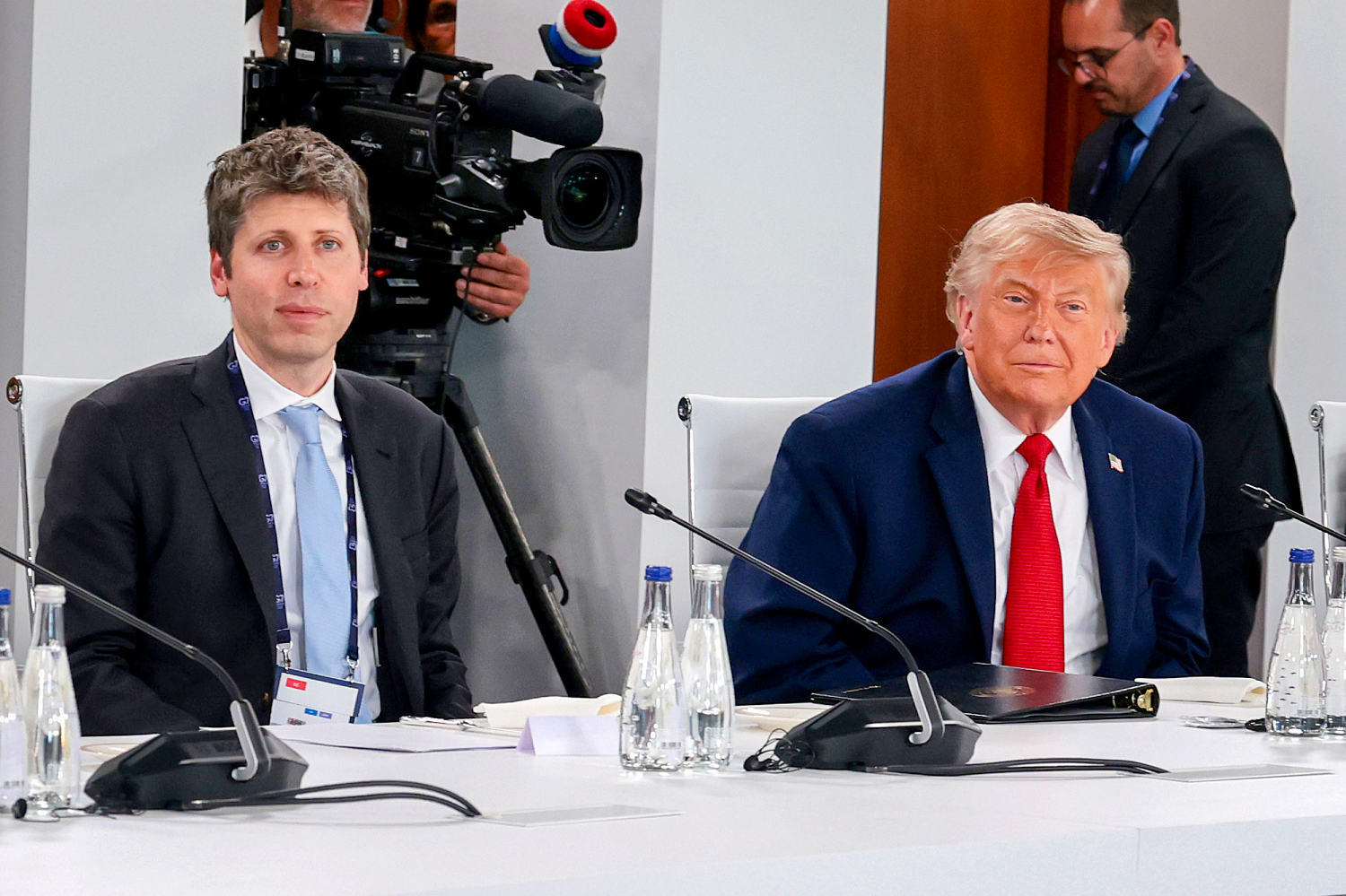
A new AI Policy Institute survey reveals overwhelming bipartisan support for regulating powerful AI systems, a finding that fundamentally alters the political calculus in Washington. This groundswell of public opinion injects urgency into stalled legislative efforts, moving the debate beyond the industry's preferred self-regulation and voluntary commitments. While the EU advances its AI Act, this poll pressures U.S. lawmakers to discard their cautious "wait-and-see" approach, creating a direct challenge to the lobbying narratives of frontier AI labs and signaling that the window for influencing foundational policy is rapidly closing. The poll strategically shifts leverage from AI developers to policymakers, fundamentally altering the risk equation for major labs like OpenAI, Google, and Anthropic. These firms now face the high probability of stringent, government-imposed compliance regimes, rather than the manageable costs of internal ethics boards. This landscape creates clear winners and losers: pro-regulation advocates gain significant political capital, while the largest AI companies must prepare for mandated audits, transparency requirements, and potential liability frameworks that could constrain their pace of innovation. The competitive advantage tilts away from pure performance and toward models that are demonstrably safe and compliant. The forward-looking trajectory now points toward a U.S. regulatory framework materializing faster than anticipated. Within the next 6-12 months, expect lawmakers to use this poll to justify fast-tracking specific bills targeting frontier models. The critical variable will be the legal definition of a "powerful AI system"—whether it is based on compute thresholds, capability benchmarks, or other metrics. The real test will be if legislation establishes a new federal body with enforcement powers. This public mandate makes the creation of such an agency a question of *when*, not *if*, within the next administration's term.