US-China AI Rift Deepens as Summit Prioritizes Security Over Open Research
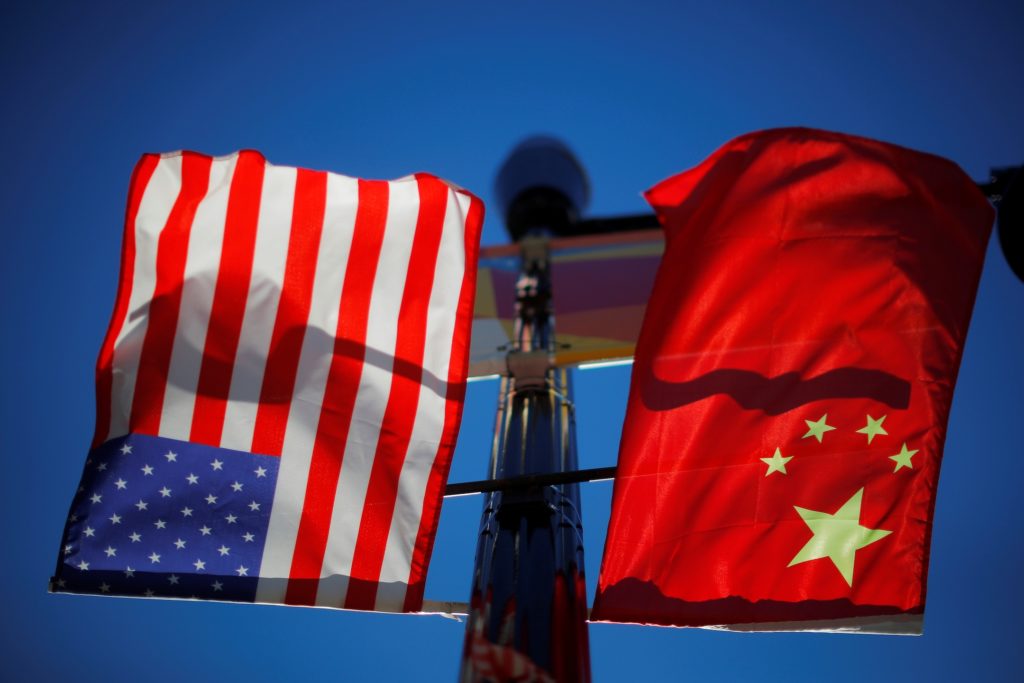
The Trump-Xi summit, ostensibly covering a broad agenda including trade and geopolitics, has codified the strategic schism in artificial intelligence between the U.S. and China. By framing AI as a national security issue on par with Iran and Taiwan, the White House is signaling a definitive end to the era of open research and talent mobility that defined the last decade. This formalizes a splintering of the global AI ecosystem, a stark contrast to the collaborative spirit seen just years ago at events like the 2017 Future of Go Summit, forcing a realignment of corporate and national strategies around distinct, competing technological stacks. This summit fundamentally alters the calculus for U.S. tech giants like Google, Microsoft, and NVIDIA, which now face immense pressure to disentangle their supply chains and R&D from Chinese partners. The immediate losers are Chinese AI firms such as SenseTime and Megvii, which rely on U.S.-designed semiconductors and now face existential supply threats. Conversely, domestic semiconductor players like Intel and a revitalized GlobalFoundries gain a powerful tailwind from the push for secure, onshore fabrication, a market shift that will force a strategic recalculation for every player dependent on the previously globalized hardware ecosystem. The critical variable is now how China leverages its control over rare earth mineral processing—essential for high-performance magnets in robotics and EVs—as a countermeasure. Within 12 months, expect Beijing to announce export restrictions or joint ventures conditional on technology transfer, directly targeting the U.S. auto and defense sectors. This trajectory suggests the AI "cold war" will be fought not with algorithms alone, but through escalating economic statecraft across the entire technology supply chain. The real test will be whether U.S. industrial policy can rebuild domestic capacity faster than China can leverage its resource dominance.