US-China AI Talks Shift Race to Guarded Co-Development
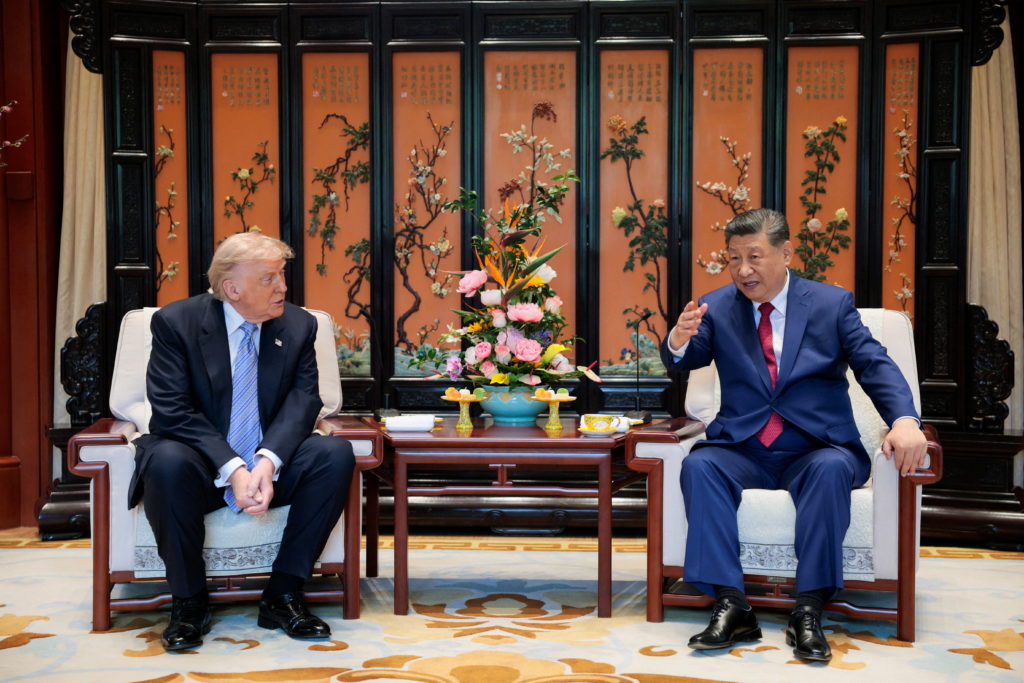
The impending discussion on AI safety between U.S. and Chinese leadership marks a pivotal shift in the global technology race, moving from purely adversarial competition towards a managed, duopolistic framework. This dialogue, occurring amidst escalating trade tensions and frantic national AI investments, frames safety not merely as a technical issue but as a new arena for geopolitical statecraft. It acknowledges that unbounded, zero-sum competition in transformative AI risks catastrophic miscalculation, echoing the strategic arms limitation talks of the Cold War. This move preemptively sets the stage for a two-power standard-setting regime, potentially marginalizing other international bodies and AI powers like the EU or UK. The mechanics of this détente reveal a shared interest in preventing existential risks, which fundamentally alters the risk-reward calculation for national AI strategies. The primary winners are incumbent state actors and their designated national champions—firms like Google and Anthropic in the U.S., and Baidu or Zhipu AI in China—whose research can now be framed within state-sanctioned safety bounds, potentially leading to preferential data access and regulatory aircover. The losers are open-source AI movements and smaller, unaligned nations, who risk being squeezed out by proprietary, state-approved models. This forces a strategic recalculation for any entity betting on a completely open and decentralized AI ecosystem, as the two largest players begin building walled gardens under the guise of safety. Looking forward, these talks establish a precedent for coordinated, rather than competitive, AI governance, with profound long-term consequences. In the next 6-12 months, expect the formation of bilateral working groups focused on specific technical standards for AI auditing and red-teaming, creating a de facto regulatory moat. Within three years, this trajectory suggests the codification of these standards into domestic regulations and international trade agreements, forcing other nations to align with either the U.S. or Chinese technology sphere. The critical variable will be enforcement; watch for joint statements on military AI applications as the ultimate test of this fragile cooperation. This path leads not to global harmony, but to a bipolar AI world order managed by its two dominant powers.