US-China AI Summit Tests Global Governance Amid Deep Distrust
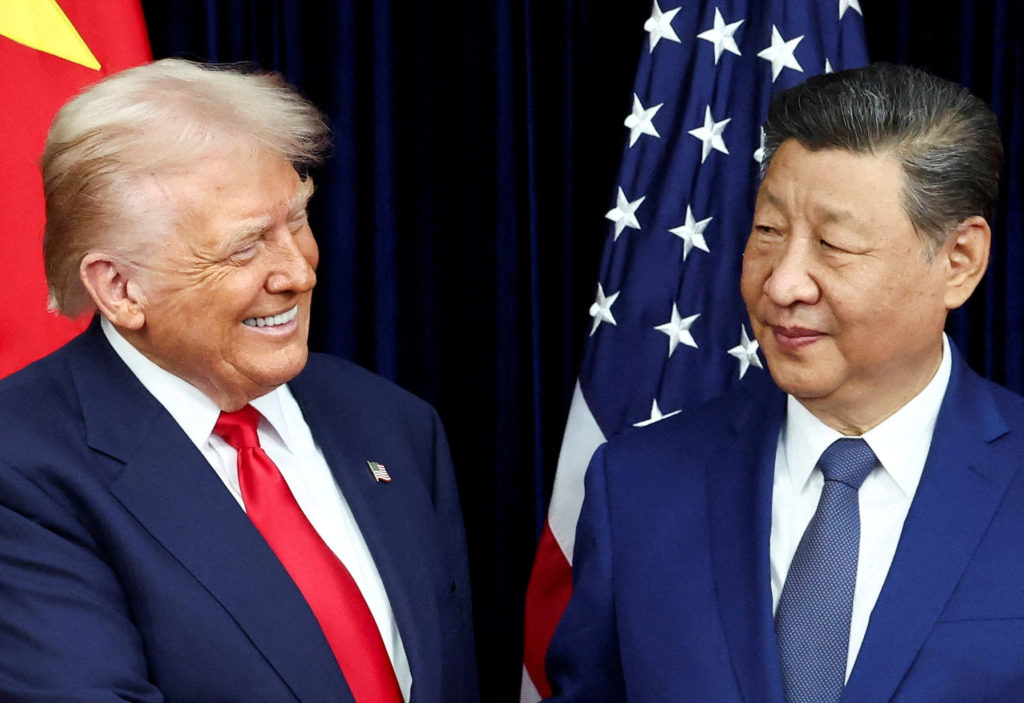
The upcoming U.S.-China summit, with AI safety on the agenda, moves beyond diplomatic talking points to address the core tension of global AI governance: deep mutual distrust. This meeting matters because it represents a critical test of whether the world’s two leading AI powers can establish guardrails for autonomous systems and military AI, or if the competitive race for AI supremacy will preclude any meaningful cooperation. Against the backdrop of escalating chip wars and efforts like the Bletchley Declaration, this dialogue forces a confrontation with the strategic paradox of needing to collaborate with a primary economic and military competitor on foundational technology safety. The fundamental disconnect stems from conflicting strategic goals, fundamentally altering the calculus for tech giants and military planners. The U.S. seeks to constrain China’s access to high-end compute (e.g., NVIDIA H100) and slow its military AI development, viewing Chinese state-backed firms like Zhipu AI and Baidu as instruments of national power. Conversely, China perceives U.S. safety rhetoric as a veiled attempt to maintain technological dominance and limit its rise. This dynamic creates an asymmetric advantage for China, which can operate with a unified national strategy, forcing U.S. companies like Google and Microsoft to navigate a complex and unpredictable regulatory landscape. Looking forward, the critical variable is not a signed agreement but the establishment of a durable backchannel for crisis communication related to AI incidents. In the next 3-6 months, any substantive progress will manifest as working groups on narrow technical issues like AI red-teaming standards. Within a year, failure to establish such channels would signal a commitment to unconstrained competition, likely accelerating dual-use AI development. The real test will be whether both sides can separate existential risk mitigation from their zero-sum economic and geopolitical rivalry, a prospect that currently appears remote.