AI Safety Becomes Third Pillar of US-China Relations
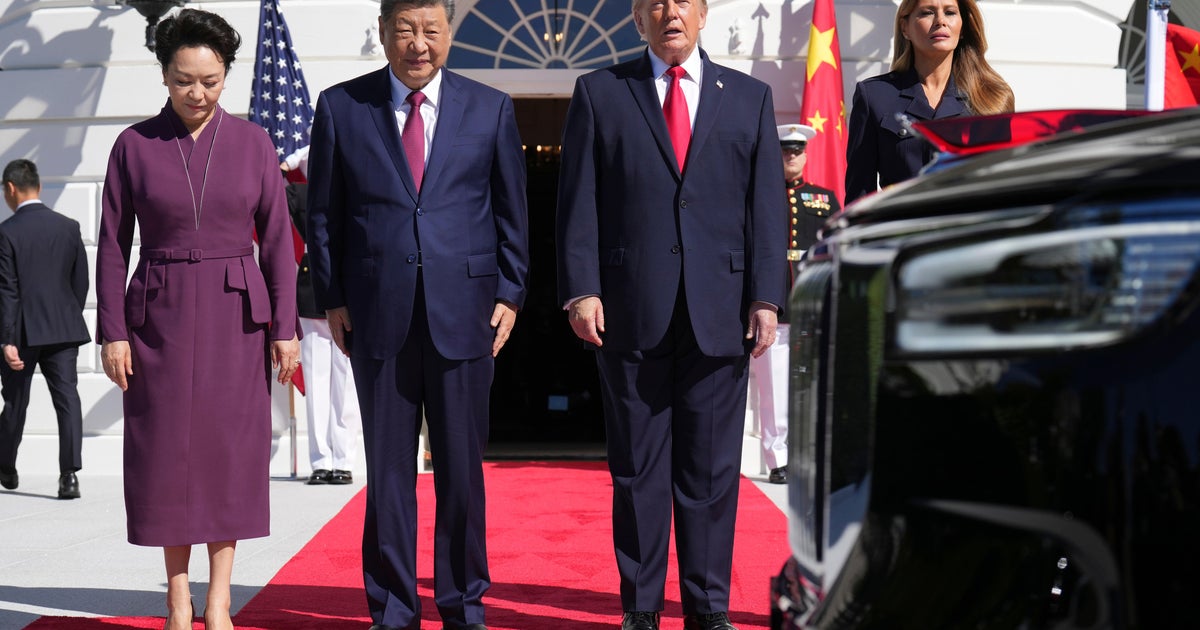
The US and China have established a bilateral channel to address the risks of advanced AI, framing the technology as "super intelligence." This move formalizes AI safety as a third pillar of bilateral relations, alongside military and trade, signaling a shift from pure competition to managed strategic risk. While seemingly a de-escalation, it paradoxically legitimizes the global AI arms race by creating a formal apparatus to manage its extremes, echoing the Cold War-era nuclear hotline frameworks established to prevent accidental escalation between superpowers. The agreement fundamentally alters the geopolitical landscape for AI development. Direct dialogue creates a winner in the form of state-level actors, who gain a sanctioned channel for discussing guardrails, potentially at the expense of private sector autonomy. Losers include open-source AI advocates and smaller nations, who may be excluded from the top-tier discussions that will set global norms. This forces a strategic recalculation for tech giants like Google, Microsoft, and their Chinese counterparts Baidu and Tencent, who must now navigate a new layer of geopolitical oversight that could constrain their global operations and long-term R&D trajectories. The critical variable going forward is whether this channel becomes a genuine forum for risk mitigation or a venue for strategic deception. We can expect to see performative "safety" announcements within 3-6 months, but the real test will be verifiable actions, such as shared standards on model red-teaming or limitations on military AI applications within 12-24 months. This trajectory suggests a future where AI competition is not curbed, but rather managed within a bipolar framework, potentially marginalizing allies and creating a new global AI divide between the US-China bloc and the rest of the world.