US Inaction Cedes Global AI Regulatory Influence to Europe
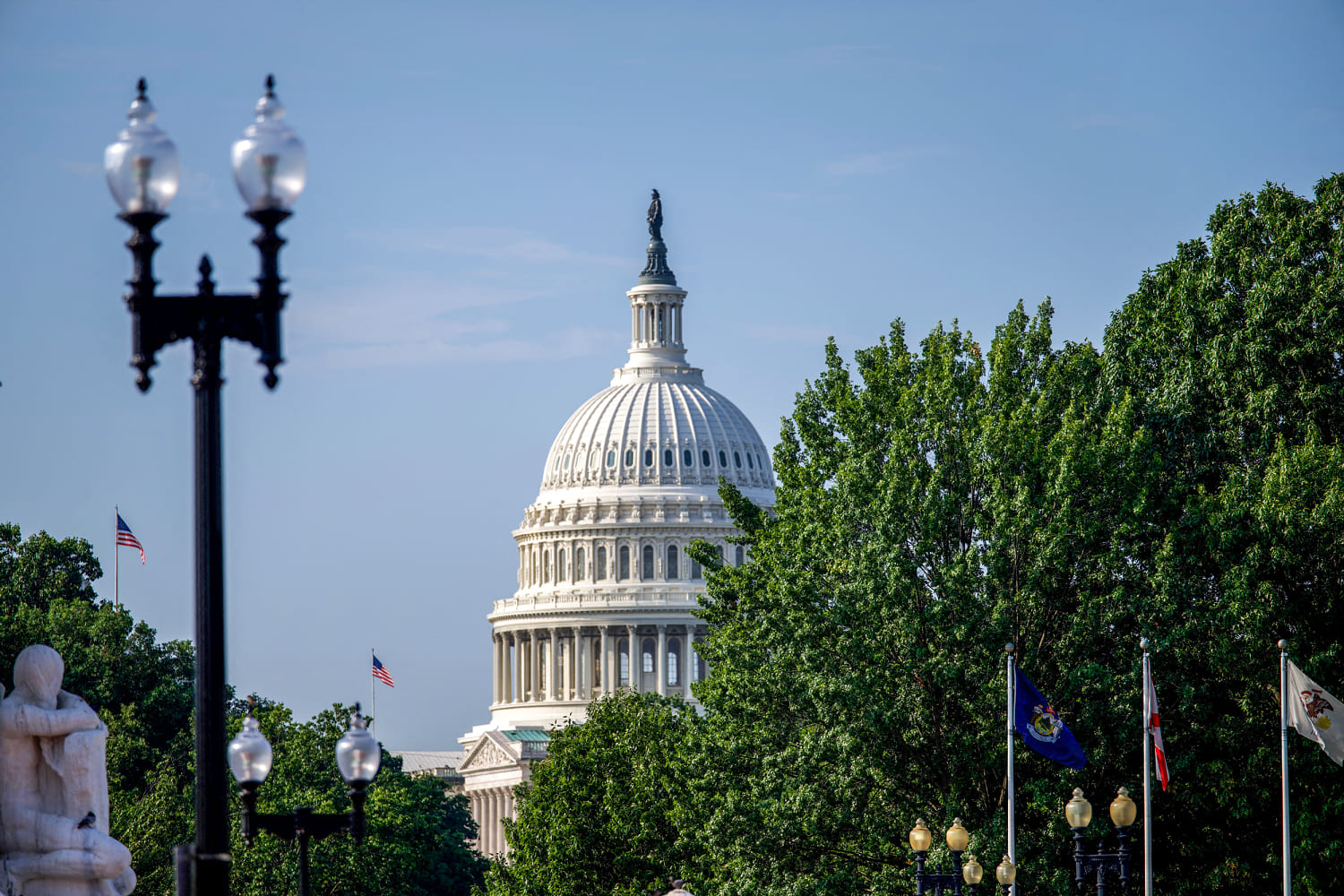
The US Congress's legislative inaction on artificial intelligence, marked by partisan division and a looming election, solidifies a critical power vacuum in global AI governance. As lawmakers hear dire warnings but fail to reach consensus, the de facto regulatory framework for American AI firms is being written by foreign bodies, notably the EU with its AI Act. This legislative paralysis stands in stark contrast to the rapid, globally-coordinated launch of technical safety standards by the AI Safety Institute Consortium, creating a widening gap between US policy and technical reality that complicates long-term strategy. The primary beneficiaries of this inaction are established tech giants like Microsoft and Google, which possess the legal and financial resources to navigate a patchwork of global regulations, effectively creating a compliance moat that smaller startups cannot cross. This dynamic entrenches their market dominance. The losers are US-based AI innovators and startups who now face immense uncertainty and rising compliance costs, forced to engineer products for multiple regulatory regimes. This legislative void forces a strategic recalculation for any firm aspiring to deploy AI globally, tilting the field toward incumbents. The critical variable is whether the next administration prioritizes a federal AI framework in its first 100 days. Without it, the US cedes regulatory influence entirely, forcing its domestic champions to follow rules set in Brussels and elsewhere. Watch for whether the National Institute of Standards and Technology (NIST) AI Risk Management Framework becomes a de facto national standard, adopted at the state level by jurisdictions like California. This trajectory suggests a fragmented, state-led regulatory landscape in the US, creating a far more complex and costly operational environment for the entire AI ecosystem.