AI Supremacy Fuels US-China Geopolitical Technology Battle
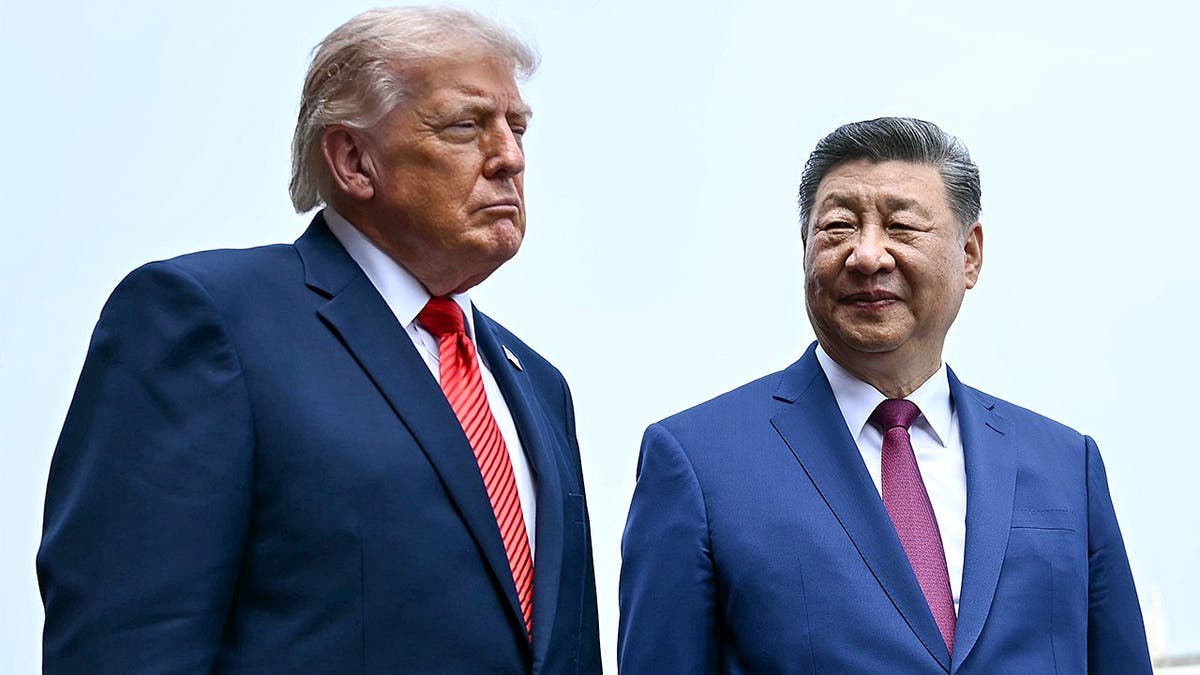
The escalating debate between U.S. political figures and Silicon Valley AI leaders over the pace of AI development marks a pivotal moment in tech governance. While prominent figures like Dario Amodei and Sam Altman advocate for a deliberate, safety-oriented slowdown, former President Trump’s call for accelerated competition with China reframes the narrative from one of existential risk to geopolitical urgency. This fundamental schism mirrors broader national security concerns, where AI supremacy is increasingly viewed as the 21st century’s equivalent of the space race, directly influencing capital allocation, talent migration, and national industrial policy. The strategic divergence fundamentally alters the risk-reward calculation for major AI labs and their investors. A government-backed mandate to accelerate—even implicitly—benefits vertically integrated players like Google and Microsoft, who can leverage vast computational resources and existing government contracts to pursue large-scale national projects. This potentially disadvantages safety-focused or research-oriented labs like Anthropic and independent startups, which may face pressure to deprioritize long-term alignment research in favor of demonstrating near-term competitive capabilities against Chinese counterparts like Baidu and Zhipu AI. The immediate winner is the semiconductor industry, notably Nvidia, which will see sustained demand regardless of which development philosophy prevails. The critical variable going forward is how federal policy translates into tangible incentives and regulations. Within 12 months, expect to see the formulation of either a national AI acceleration initiative, likely bundled with defense appropriations, or the establishment of a federal AI safety commission with regulatory powers. The real test will be whether the U.S. can pursue a dual-track strategy: rapidly advancing capabilities in strategic sectors while simultaneously enforcing robust safety and testing protocols. This trajectory suggests a future where AI development is no longer a purely technical or commercial pursuit but a core component of U.S. foreign policy and national identity.