Vance's Stance: White House Signals AI Developer-First Safety Shift
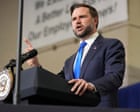
U.S. Vice President JD Vance’s dismissal of calls for global AI regulation, delivered directly to Anthropic’s CEO, marks a significant fracture in the previously coalescing U.S. policy approach toward artificial intelligence. By placing the onus of safety directly on developers with a blunt "If you're building Frankenstein, stop," the administration is signaling a sharp pivot from collaborative governance frameworks, like the recent Bletchley Park agreement, towards a philosophy of developer-first liability. This fundamentally alters the risk calculus for frontier model builders, potentially chilling investment in long-term, speculative AGI research while favoring more constrained, commercial applications. The shift creates a clear divide between AI labs pursuing long-term AGI, who now face heightened political and liability risks, and those focused on near-term enterprise AI, who benefit from the reduced threat of preemptive regulation. Winners include companies like Databricks and Snowflake, whose business models are insulated from "Frankenstein" accusations, while losers are AGI-focused labs like Anthropic and OpenAI, who are now caught between their stated safety concerns and a political environment hostile to regulatory relief. This forces a strategic recalculation for firms that had been banking on government partnership to de-risk their frontier research and development. Looking forward, this developer-liability doctrine will likely accelerate the bifurcation of the AI industry into regulated and unregulated sectors. Within 12 months, expect frontier labs to lobby for narrow, targeted liability shields rather than broad regulation, fundamentally changing the legislative conversation. The critical variable will be whether this stance encourages companies to conceal their models' true capabilities to avoid scrutiny, creating a "shadow" AI development ecosystem. The real test will be if a major AI incident occurs, which would force the administration to either reverse its position or double down on blaming the creator, setting a major legal precedent.