Vatican's AI Stance Elevates Global Governance Debate
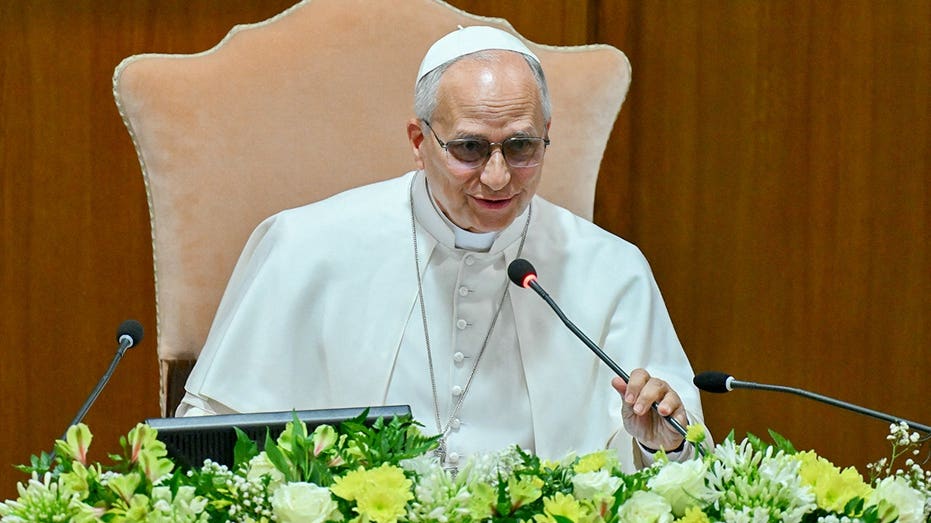
Pope Leo XIV’s new encyclical on artificial intelligence represents a significant escalation in the global AI governance debate, moving the discourse beyond technical and policy circles into the realm of global moral authority. By framing AI as a potential threat to humanity and aligning with calls for a moratorium, the Vatican is lending its powerful institutional voice to the nascent anti-AI movement, creating an unexpected coalition with progressive political figures like Senator Bernie Sanders. This move strategically isolates pro-innovation arguments, recasting them as morally suspect and providing powerful top-down validation for regulators, particularly within the EU, who are pushing for stricter controls under frameworks like the AI Act. The encyclical fundamentally alters the strategic calculus for Big Tech and AI-focused VCs, shifting the battlefield from one of market competition to one of public legitimacy. The primary losers are firms like Google, Microsoft, and Meta, along with the broader venture-backed ecosystem, which thrive on permissionless innovation; they now face a potent, emotionally resonant critique that data-driven arguments cannot easily refute. The winners are state actors and regulatory bodies that gain moral air cover to accelerate and expand their oversight ambitions. This development exposes a key vulnerability in the tech industry’s narrative of progress at all costs, forcing a strategic recalculation away from pure performance metrics toward demonstrating ethical compliance. The forward-looking implication is the permanent injection of a “moral risk” premium into the AI sector. In the next 12 months, expect AI ethics advisory boards to become mandatory for any firm seeking significant enterprise contracts or public funding, especially in Europe and Latin America. The critical variable is whether this moral pressure translates into binding legislation in the United States; watch for how US Catholic bishops and their affiliates begin lobbying efforts. The trajectory suggests AI is now firmly on the same path as climate change and biotech—a domain of perpetual public and regulatory scrutiny. The real test will be whether firms can move beyond performative ethics to auditable, transparent AI systems.