London Self-Driving Taxi Launch Signals AV Strategy Shift
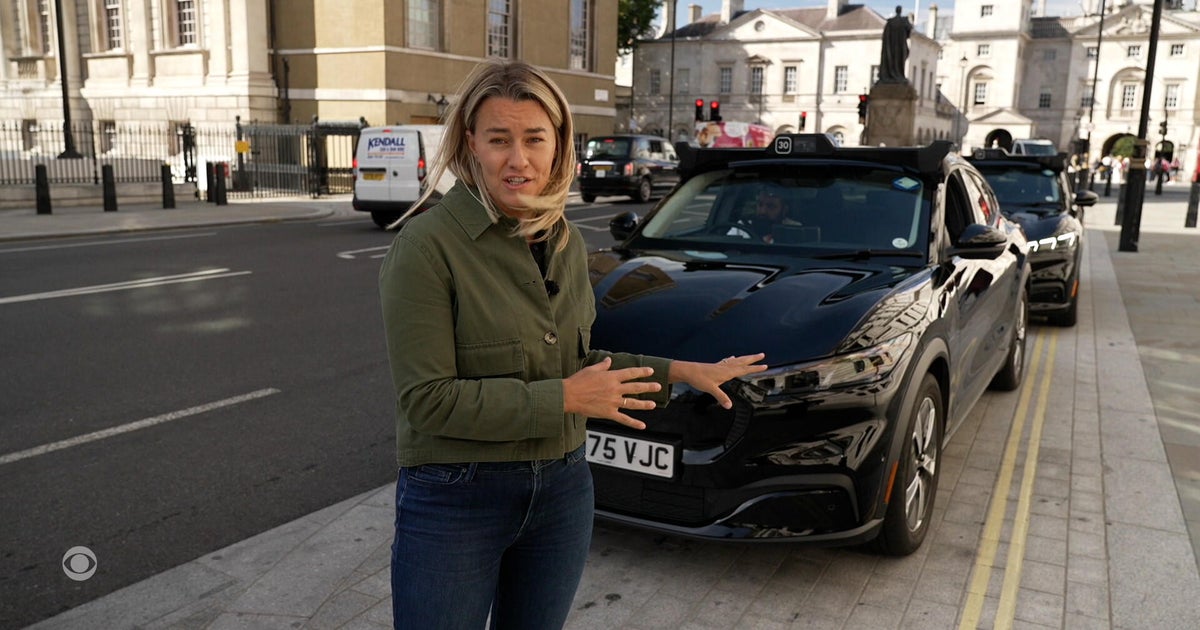
Wayve's launch of 15 autonomous vehicles with Uber in London's Westminster borough marks a pivotal moment for the AV industry, shifting the competitive nexus from controlled US suburbs to a complex, unpredictable urban environment. This move directly challenges the geofenced, data-intensive Lidar-first strategies of rivals like Waymo and Cruise. By leveraging an "end-to-end" AI that learns from human drivers, Wayve is betting that capital-efficient, vision-based systems can scale more quickly in Europe's dense cities, creating a significant first-mover advantage in a market that has historically lagged North American and Chinese AV deployments. This strategic partnership fundamentally alters the unit economics of autonomous ride-hailing. Uber gains an AV partner that can integrate directly into its existing network, potentially lowering long-term driver-related costs, while Wayve accesses a vast dataset and operational platform, sidestepping the massive expense of building a customer-facing service from scratch. This creates a symbiotic relationship that pressures standalone AV operators who must bear the full cost of both R&D and market entry. The immediate losers are local taxi firms and driver unions, who face accelerated obsolescence; the winners are the platform operators and the AI developers, who capture the value. The critical variable is how quickly Wayve can move from supervised to fully driverless operation, a process dictated by UK and EU regulatory approval, not just technical capability. The real test will be achieving Level 4 autonomy within 24 months, ahead of competitors, in at least two more European capitals. This trajectory suggests a future where AI driving systems are licensed like software, commoditizing the in-car experience and forcing a strategic recalculation for automakers who believed they would own the autonomous stack. The primary battleground is shifting from hardware to licensable, data-driven AI models.