US AI Firms Commit to Safety; Regulators Face New Baseline
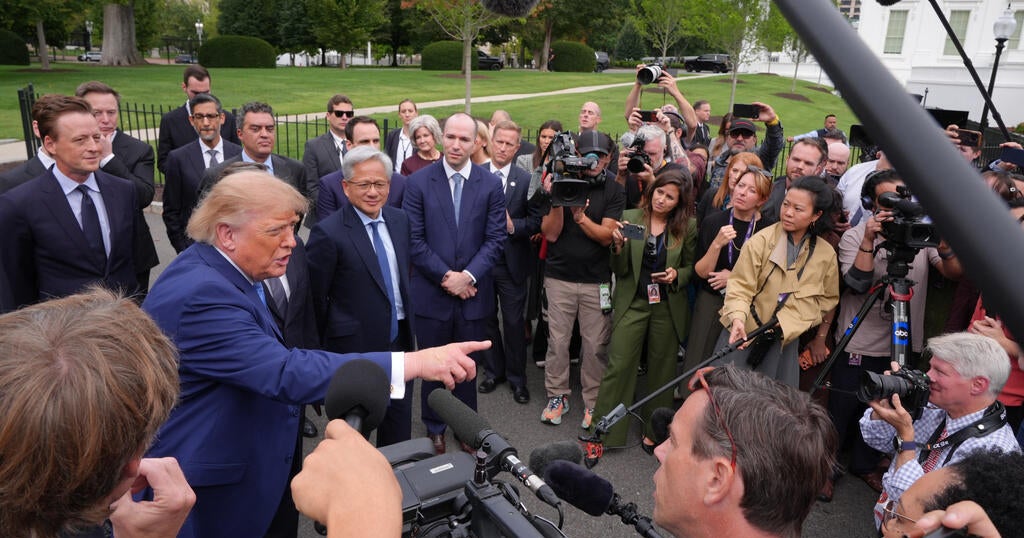
The Trump administration has secured a voluntary commitment on AI safety from leading firms including Anthropic, Google, and OpenAI, establishing a baseline for responsible development. This preemptive move occurs as global regulators, particularly in the EU, pursue more rigid, legally-binding frameworks like the AI Act. By formalizing principles like third-party testing and watermarking, the White House is effectively setting a "regulatory floor" that pressures other domestic and international players to adopt similar standards or risk being perceived as outliers, significantly altering the landscape for AI governance ahead of the 2024 election cycle. The agreement fundamentally alters the competitive dynamics by creating a cohort of "trusted" AI vendors. For signatories like Microsoft and Amazon, this pact serves as a powerful marketing tool, assuring enterprise customers of a commitment to safety and reliability, thereby creating a competitive moat against smaller or more aggressive rivals like Databricks or emerging open-source models. The pledge forces a strategic recalculation for companies not at the table, who must now weigh the cost of compliance against the risk of being excluded from lucrative government and enterprise contracts that will increasingly demand adherence to these standards. The trajectory established by these voluntary commitments points toward eventual codification into law, regardless of the next administration. In the next 6-12 months, expect these principles to be integrated into federal procurement requirements, effectively making them mandatory for government contractors. The critical variable is how quickly smaller, uncommitted AI developers can adapt to these new de-facto industry standards. The real test will be whether this "soft" approach can manage dual-use risks without stifling the open-source innovation that has historically driven the sector forward, suggesting a permanent shift in compliance burdens.