White House AI Pledge Shapes US Regulation Amid Global Scrutiny
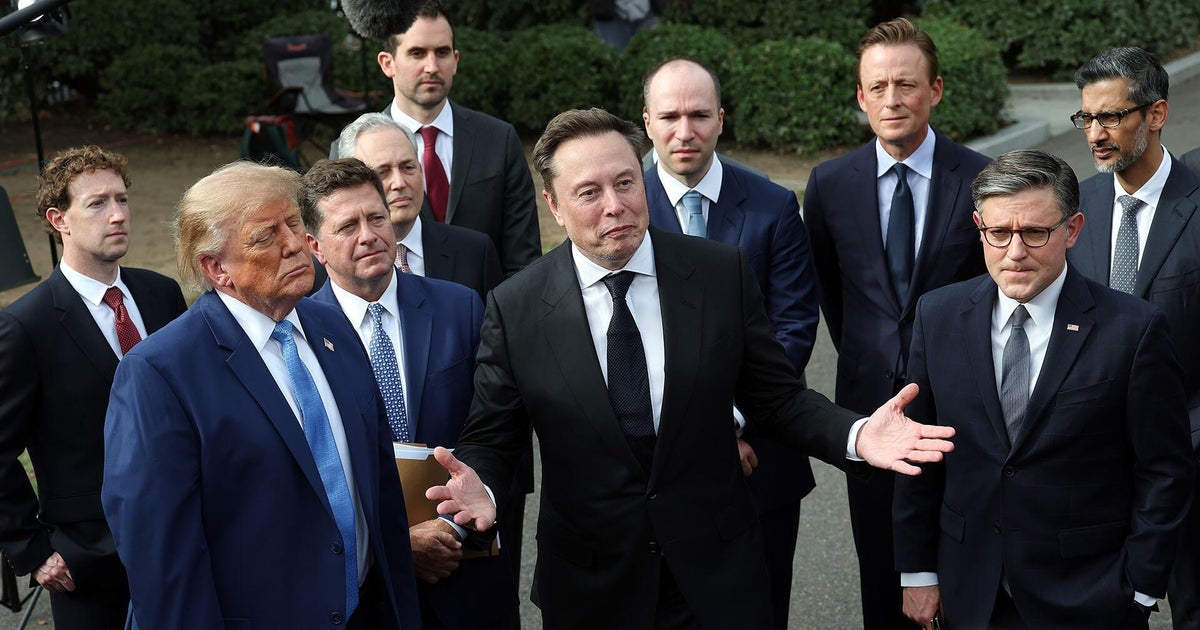
The White House has secured a voluntary AI safety pledge from leading tech firms, a move that strategically frames the technology’s governance ahead of substantive regulation. This "AI constitution," while symbolic, arrives as global bodies like the EU advance binding legal frameworks like the AI Act. It allows signatories—including OpenAI, Google, and Microsoft—to publicly demonstrate proactivity, potentially shaping future U.S. legislation in their favor and creating a first-mover advantage in the regulatory narrative, thereby setting the terms of debate for domestic AI policy before formal rules are written. The agreement fundamentally alters the competitive landscape by establishing a baseline for safety and transparency that favors incumbents with mature R&D and legal resources. While large players can absorb the costs of third-party auditing and watermarking, this creates a barrier to entry for smaller, resource-constrained startups who now face higher compliance hurdles. This dynamic forces a strategic recalculation for venture capitalists, who must now factor in a startup’s "trust and safety" overhead, potentially chilling investment in disruptive but less-resourced innovators and concentrating power among the established leaders. The critical variable going forward is enforcement and the pact’s influence on formal legislation. Over the next 6-12 months, watch for whether these voluntary measures are integrated into statutory requirements by Congress or cited by agencies like the FTC and NIST as de facto standards. The real test will be whether this industry-led initiative accelerates meaningful regulation or serves as a delaying tactic. This trajectory suggests a future where compliance becomes a competitive weapon, making the initial framing of these safety standards a crucial battleground for market dominance.