BRICS' Open-Source AI Plan Challenges Western Tech Hegemony
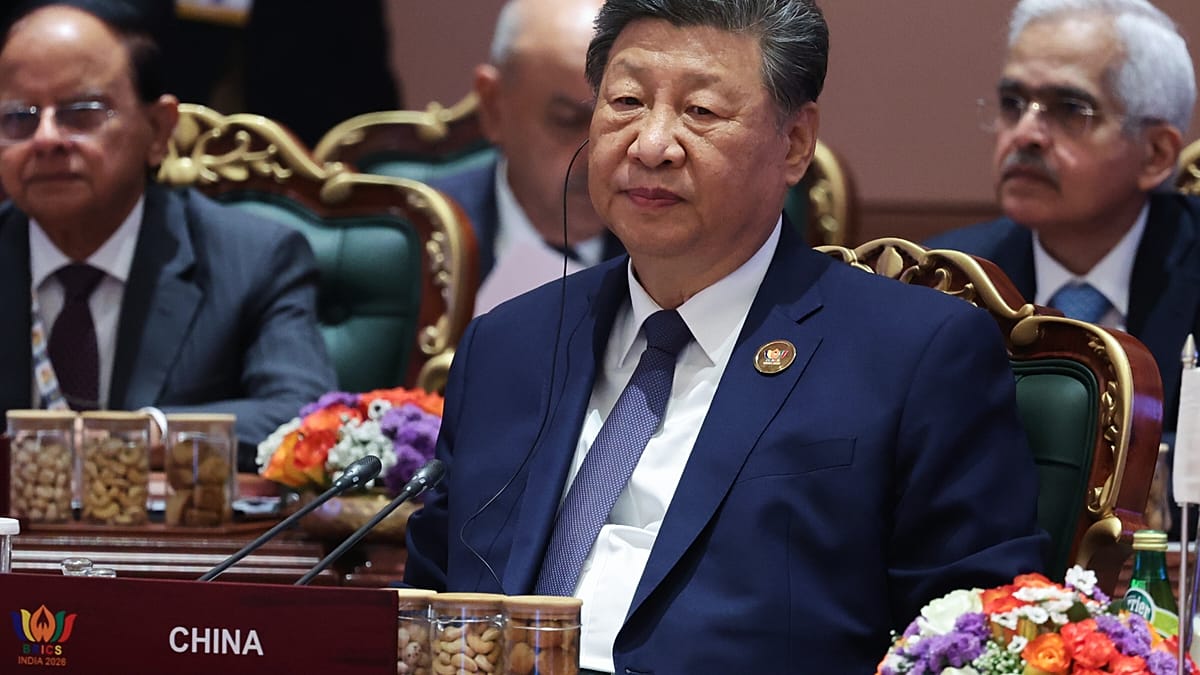
Chinese President Xi Jinping’s proposal for a BRICS "open-source AI zone," announced at the New Delhi summit, represents a significant geopolitical maneuver to create a non-Western AI ecosystem. This initiative directly challenges the dominance of U.S.-based technology stacks by aiming to standardize AI development and governance among emerging economies, including new members like the UAE and Saudi Arabia. Coming just as the U.S. imposes stricter controls on AI hardware exports, this move is a calculated effort to establish a parallel, sino-centric sphere of technological influence and capture the vast AI adoption wave across the Global South. The proposed zone fundamentally alters the AI landscape by offering a state-sponsored alternative to the Western open-source community, which is largely driven by U.S. corporations like Meta and Google. For BRICS nations, it provides a pathway to cutting-edge AI without dependency on American APIs or platforms, mitigating risks of sanctions or access restrictions. The primary winners are Chinese AI champions like Baidu and Zhipu AI, positioned to set de facto standards. The losers are Western AI leaders, who now face a coordinated bloc capable of shaping technical standards and data governance norms for billions of users, potentially fragmenting the global AI market. The trajectory suggests a deepening bifurcation of the global AI ecosystem within the next 24 months, creating distinct technological and ideological spheres. The critical variable is not just code, but the compute infrastructure that will power this zone; watch for announcements of shared or subsidized GPU access for BRICS members, likely leveraging Chinese hardware. This initiative forces a strategic recalculation for multinational corporations, as navigating two increasingly incompatible AI stacks will become a major operational and compliance challenge. The real test will be whether this alliance can foster genuine innovation or merely becomes a distribution channel for Chinese technology under a multilateral guise.