Zuckerberg, Musk Texts Detail AI Policy Influence Strategy
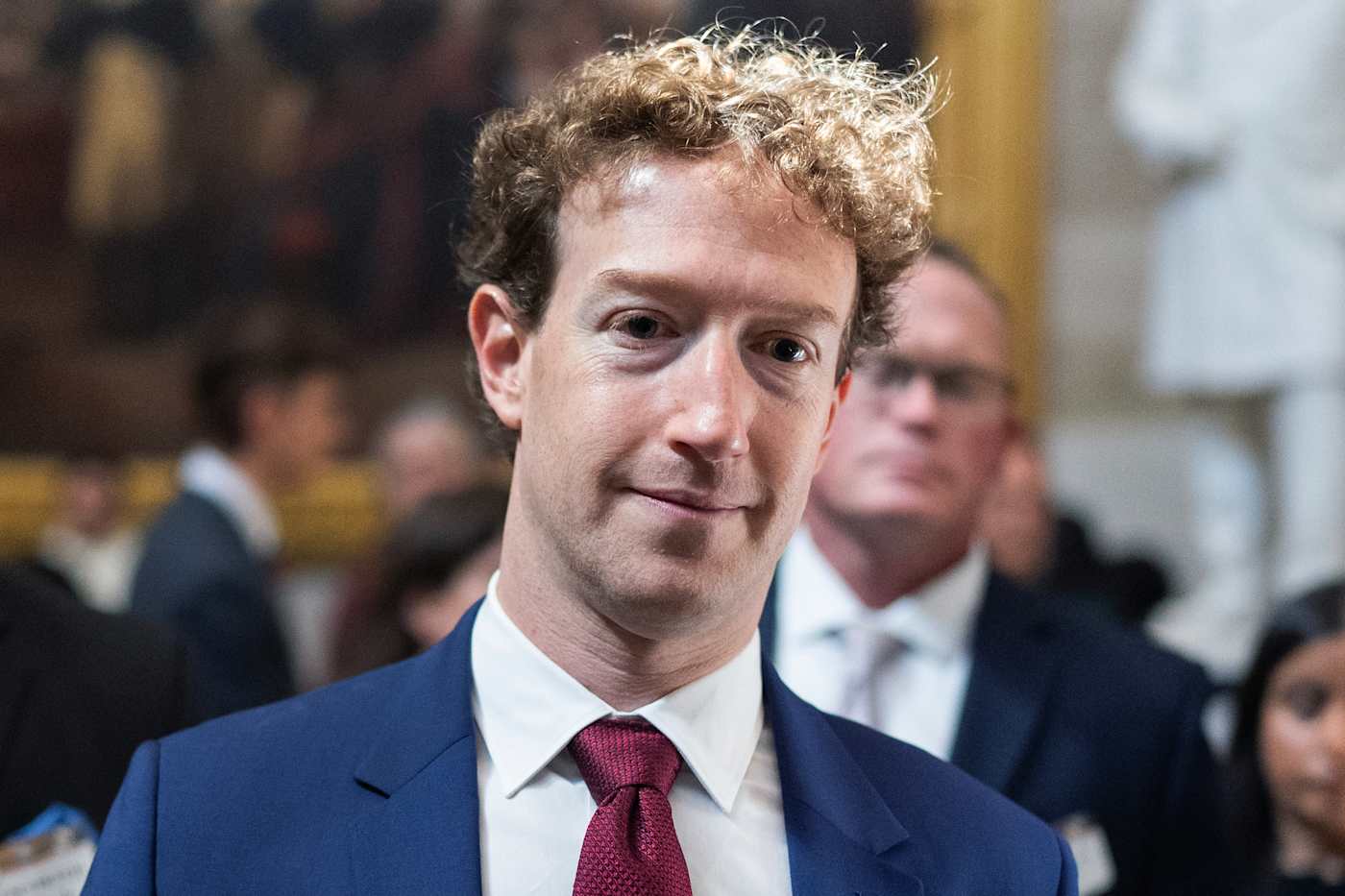
Newly revealed February 2025 text messages between Mark Zuckerberg and Elon Musk do more than just document a brief détente; they provide a blueprint for how tech’s most powerful figures intend to wield influence in a new political era. Zuckerberg’s offer to deploy Meta’s content moderation teams to protect Musk’s government efficiency initiative (DOGE) demonstrates a strategic alignment that transcends corporate rivalry. Occurring just after Meta publicly pivoted away from content moderation, this selective, private offer signals a shift toward using platform infrastructure as a tool for political leverage, creating a backchannel of power separate from formal government oversight. The mechanics of this exchange reveal a transactional and calculated relationship, where platform power is the primary currency. By offering to shield Musk’s government-adjacent work from online criticism, Zuckerberg establishes goodwill before Musk’s immediate pivot to proposing a joint bid for OpenAI’s intellectual property. This move exposes the vulnerability of platforms claiming neutrality, positioning Meta and X as entities willing to provide bespoke protection for politically-aligned allies. The primary losers are the public and smaller competitors, who are subject to opaque and unequally applied rules, while the winners are the titans who can coordinate to shape both policy and the AI landscape. This episode sets a dangerous precedent for the privatization of state-adjacent functions, a trajectory suggesting tech platforms may increasingly act as enforcers for favored political causes. In the next 12-18 months, the critical variable will be whether other CEOs adopt this playbook of offering infrastructure as a political service. The real test, however, lies with regulators at the FTC and DOJ; their willingness—or failure—to investigate such coordination as a form of anti-competitive collusion will determine if this shadow alliance model becomes the new paradigm for tech power in Washington.